Showing posts with label # Poland. Show all posts

Friday, February 7, 2020

Kampinoski National Park


A cover posted from Kampinoski National Park. 

Kampinos National Park  is a National Park in east-central Poland, in Masovian Voivodeship, on the north-west outskirts of Warsaw.

Although the park was created in 1959, the idea was born much earlier on – already in the 1920s. The ancient Puszcza Kampinoska (Kampinos Forest) is on the UNESCO’s list of biosphere reserves. The Kampinos National Park is not particularly big – at the moment its area covers about 385,44 km2 of which about 12% is under a strict protection.

The land of the Kampinos National Park was created during the last ice age by waters of melting glaciers. On the area of the banks of this ancient river sandy dunes formed, while where there used to be the riverbed – swamps.

This is truly wonderful to walk from one area to another. One moment you struggle to walk on sandy paths, the other you watch rich grasses and reeds growing by streams and swamps.


The real gem is the Kampinos’s fauna: the Park’s symbol is a moose which was reintroduced to the park in the ‘50s

Germans used this forest as a mass killing place: at the Palmiry cemetery and memorial, there are graves of those secretly murdered here by the Nazis between 1939 and 1945. Being so close to Warsaw, many of the inhabitants of Warsaw – both those involved in the underground resistance as well as regular people caught by chance in order to terrorize the population – were brought here to their deaths.

Thanks Wojtek for the postcard and the cover ! 


Friday, January 3, 2020

Mys艂owice


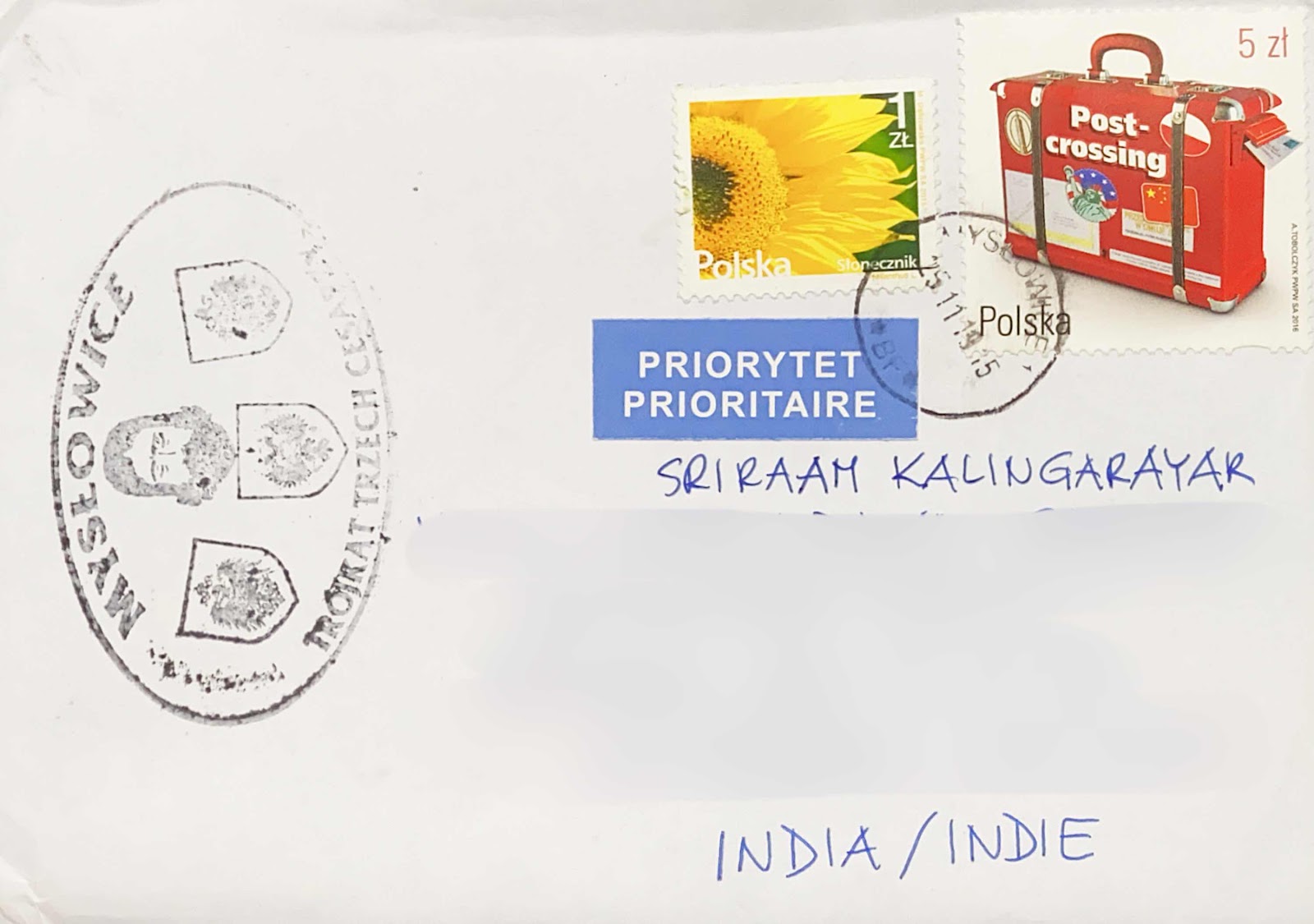
A cover from Mys艂owice , Poland 馃嚨馃嚤 

Mys艂owice is one of the oldest towns in Upper Silesia. Located at the confluence of the White and Black Przemsza rivers, it is situated on an important trading route from Wroc艂aw to Krak贸w. 

The earliest traces of the modern settlement date back to the 12th and 13th century. The first mention of a parish priest is found in a document from 1306. In 1360, Mys艂owice was already referred to as a town.

Over the centuries the ownership of the town changed frequently, as did the borders between different countries. After the foundation of the German Empire in 1871 the area became known as Dreikaisereck ("triangle of the three emperors"), as it was situated at the point where the Austrian, German and Russian Empires adjoined. After World War I and a plebiscite in 1922 Mys艂owice and a part of Upper Silesia became part of the newly restored Poland.


Postcards from Mys艂owice 

There are some buildings in Mys艂owice which prove the medieval origin of the town. Farna Church, located near the market square, is the oldest and probably the only brick church in Mys艂owice. Saint Cross Church is another brick building, maintained in baroque and classicistic style; according to Catholic tradition, it is the oldest place of religious worship in the town.


Thanks Wojtek for yet another virtual tour of a beautiful Polish city :) 

Wednesday, December 11, 2019

Zamo艣膰


A cover from Zamo艣膰 , Poland 馃嚨馃嚤 with stamps about the city ! 

Zamo艣膰 is a historical city in southeastern Poland and a UNESCO World Heritage Site. It is situated in the southern part of Lublin Voivodeship. 

Zamo艣膰 is a unique example of a Renaissance town in Central Europe, consistently designed and built in accordance with the Italian theories of the "ideal town," on the basis of a plan which was the result of perfect cooperation between the open-minded founder, Jan Zamoyski, and the outstanding architect, Bernardo Morando in 1580.


 Zamo艣膰 is an outstanding example of an innovative approach to town planning, combining the functions of an urban ensemble, a residence, and a fortress in accordance with a consistently implemented Renaissance concept. The result of this is a stylistically homogeneous urban composition with a high level of architectural and landscape values. A real asset of this great construction was its creative enhancement with local artistic architectural achievements.


The city was overrun by the Germans during the invasion of Poland at the outbreak of World War II; The Nazis created an execution site in the Zamo艣膰 Rotunda. More than 8,000 people were massacred there, including displaced residents of the region and, later, Soviet prisoners of war captured during Operation Barbarossa. Local people resisted the German occupiers with great determination; they escaped into forests, organised self-defence, helped people who were expelled, and bribed kidnapped children out of German hands (Zamo艣膰 Uprising).  The Nazis found it difficult to find many families suitable for settlement in the area, and those who did settle often fled in fear, because the former Polish residents would burn down houses or kill their inhabitants.

After World War II, Zamo艣膰 started a period of development. In the 1970s and 1980s the population grew rapidly (from 39,100 in 1975 to 68,800 in 2003), as the city started to gain significant profits from the old trade routes linking Germany with Ukraine and the ports on the Black Sea. 

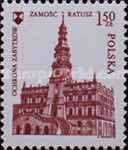
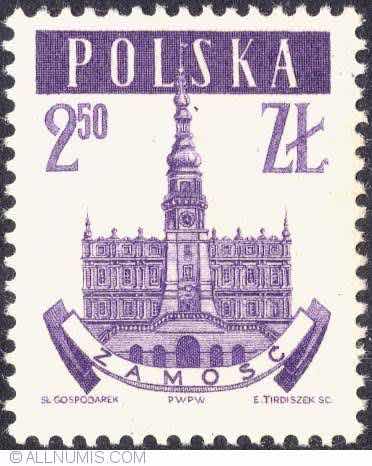
Town halls - Zamo艣膰
Date of issue - 29/03/1958

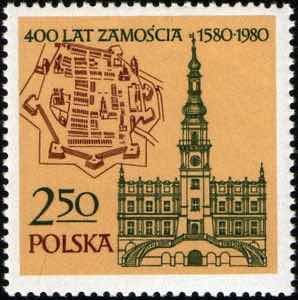
400 years of Zamo艣膰
Date of issue : 03-04-1980

European monument care - Zamosc 
Date of issue : 11-11-1975

I am yet to find the details of the other stamp on any catalogue :( 

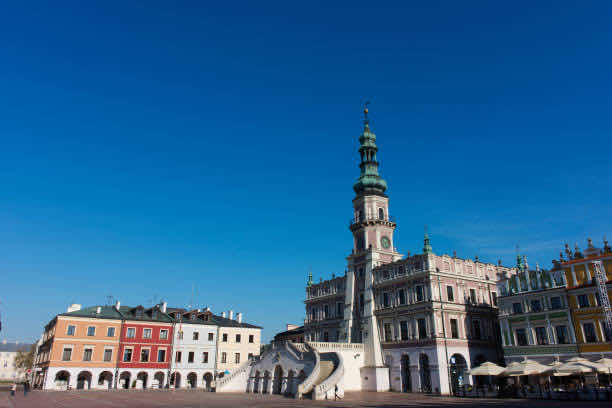
Most historic buildings are located in the Old Town, whose main distinguishing features have been retained. It includes the regular Great Market Square (Rynek Wielki) of 100 x 100 metres with the splendid Town Hall (Ratusz) and the so-called "Armenian houses", as well as fragments of the original fortress and fortifications, including those of the Russian occupation in the 19th century.

The most prominent building is the Town Hall, built at the turn of the 16th and 17th centuries, following Bernardo Morando's design. The Town Hall stands on the north side of the Great Market Square, regarded as one of the most beautiful 16th-century squares in Europe. It is surrounded by a complex of arcaded-houses built by the richest Zamo艣膰 merchants. It is a square, measuring exactly 100 metres in both width and length, crossed by the two main axes of the old town. 


I wish to see this beautiful city someday ! Thanks Wojtek for this beautiful cover :) 
Monday, December 2, 2019

History of Polish Photography


A cover from Poland 馃嚨馃嚤 with stamps of 2016 

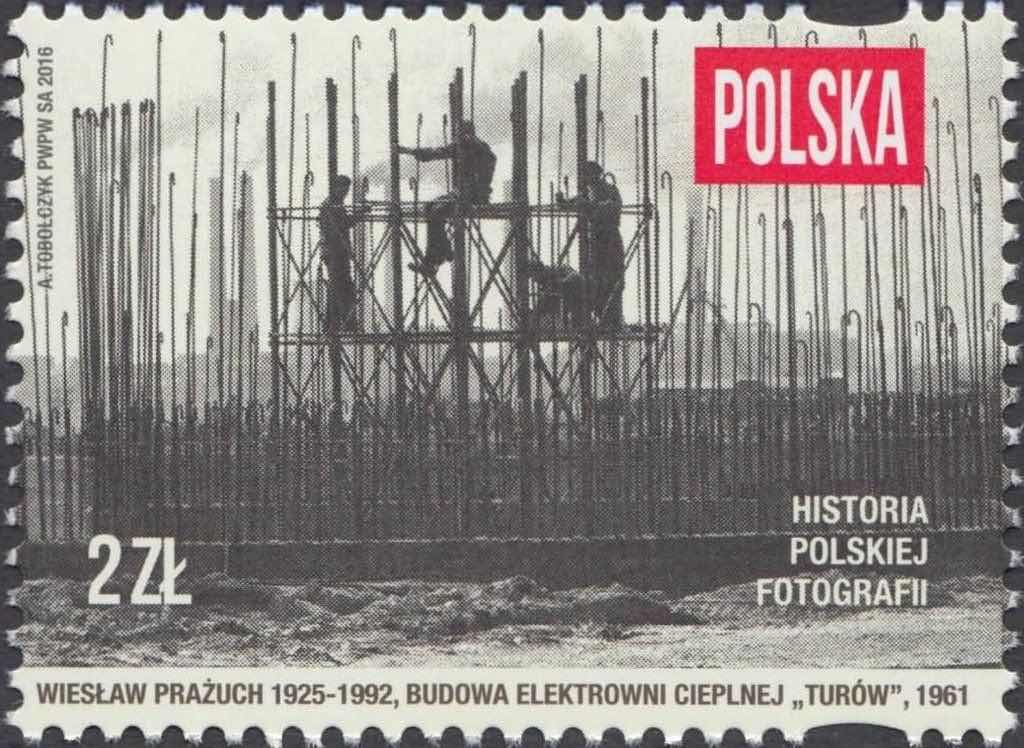
History of Polish Photography
Date of issue : 23-03-2016


Polish Poststamps dedicated to history of photography. Two authors of the pictures used in this issue are the legends of the polish photography.


Jan Kosidowski (1922-1992)- one of the most famous photographers after World War II , he worked for several years in the weekly newspaper "艢wiat" (The World) , where his pictures from Poland and around the World were published. 


Wies艂aw Pra偶uch (1925-1992)  showed interest in photography form the early years. After graduation he remained faithful to this profession, working as a photojournalist in various editorial offices of the press center. In the 50s, being in a group of photographers magazine "艢wiat" was co-authored revolution in the field of documentary photography.


Thanks Wojtek for this lovely cover :) 
World War II begins ..


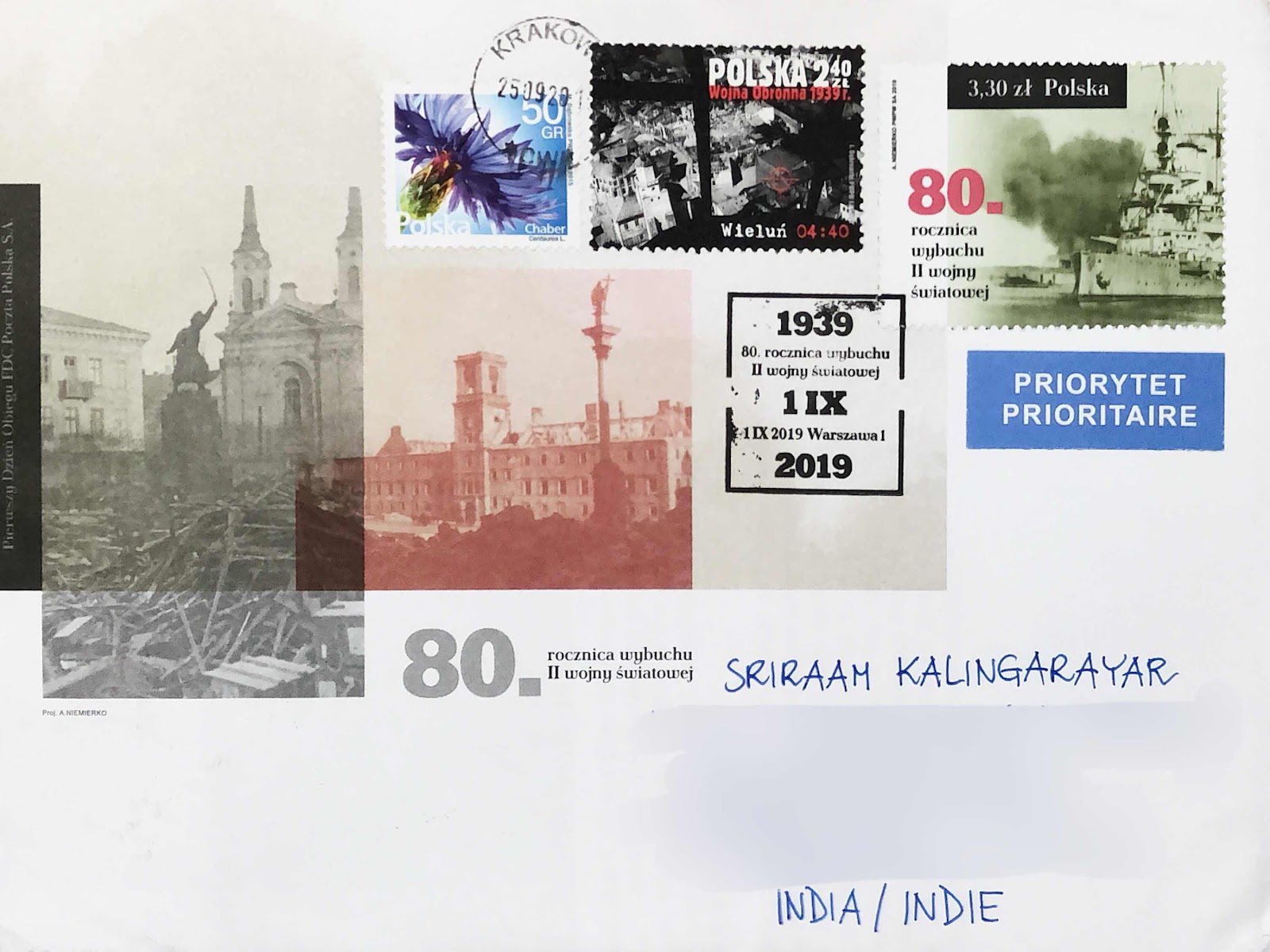
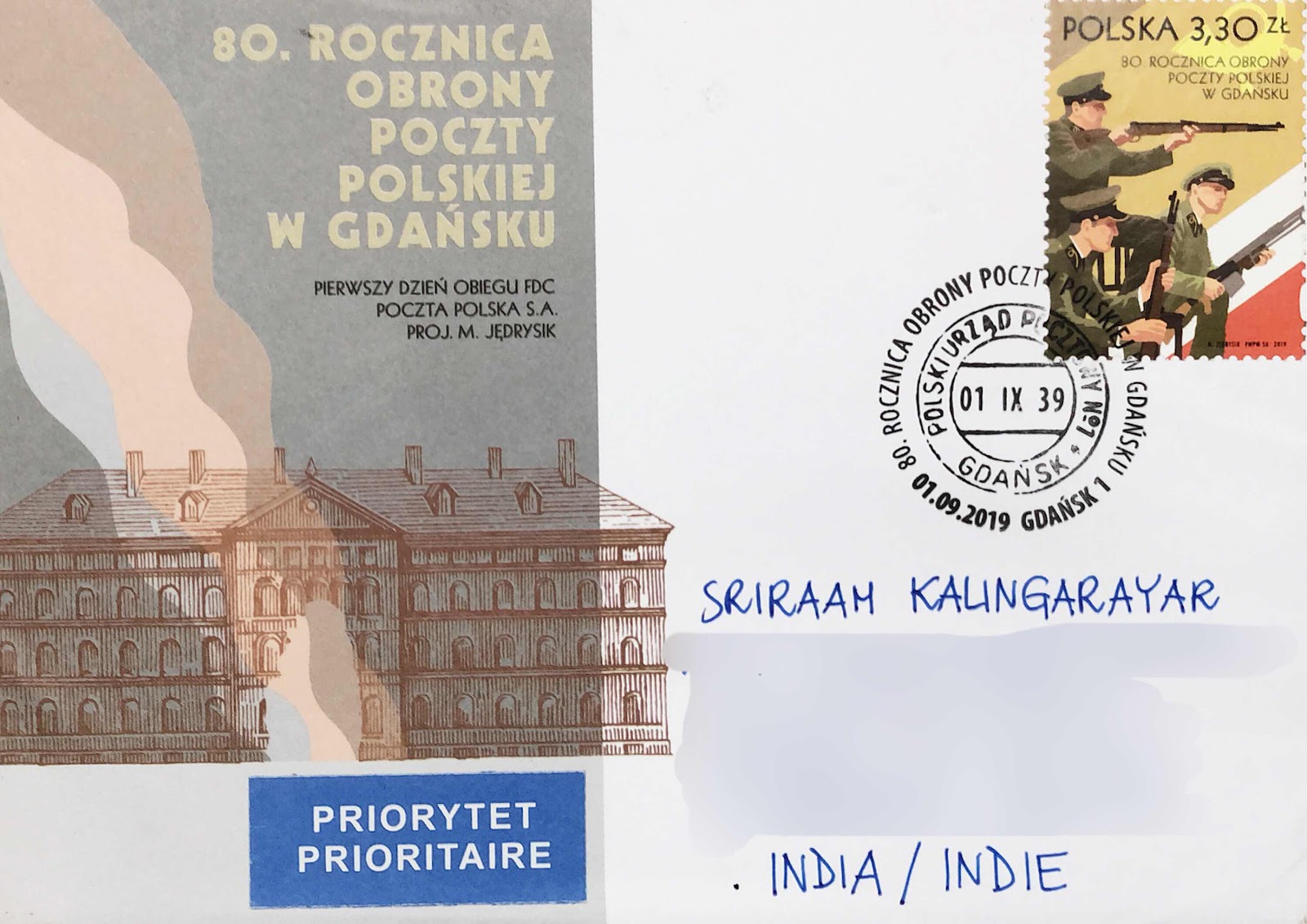
A first day cover from Poland 馃嚨馃嚤 with a stamp showing one of its most important event in recent history ! 

80th anniversary of the beginning of World War II 
Date of issue : 1-11-2019


World War II (often abbreviated to WWII or WW2), also known as the Second World War, was a global war that lasted from 1939 to 1945. The vast majority of the world's countries—including all the great powers—eventually formed two opposing military alliances: the Allies and the Axis


World War II was the deadliest conflict in human history, marked by 70 to 85 million fatalities, most of whom were civilians in the Soviet Union and China. It included massacres, the genocide of the Holocauststrategic bombing, premeditated death from starvation and disease, and the only use of nuclear weapons in war.

The bombing of Wielu艅 comprised air raids on the Polish town of Wielu艅 by Germany's Luftwaffe (air force) on 1 September 1939. The Luftwaffe began bombing Wielu艅 in the early morning on the first day of World War II. The bombing has been described by several historians as the first act of World War II. Regardless of the precise time, the air raids on the town were among the first aerial bombings of the war.

Thanks Wojtek for the FDC ! 

Tuesday, November 19, 2019

Kudowa Zdr贸j


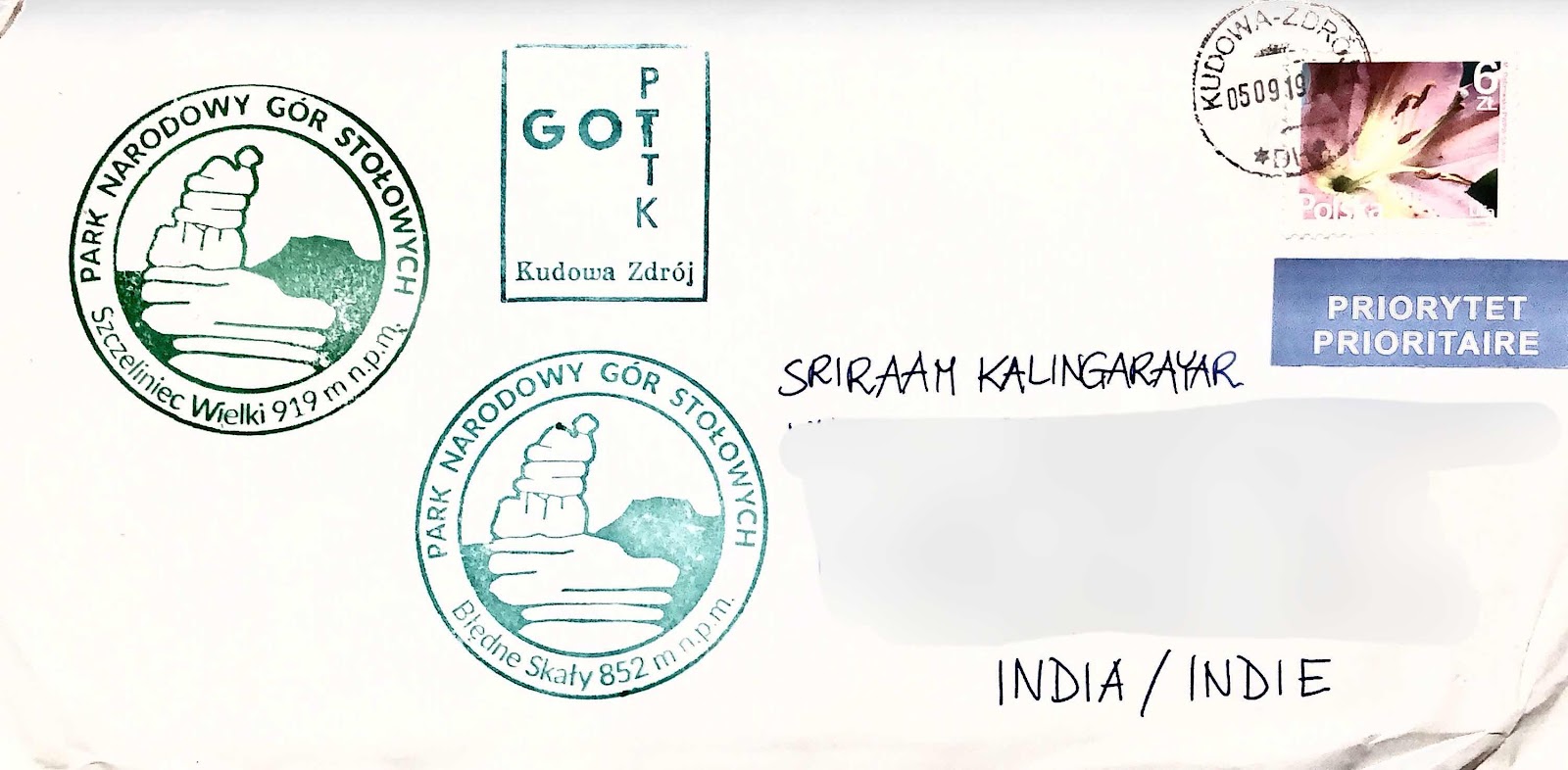
A cover from another beautiful town in Poland 馃嚨馃嚤 

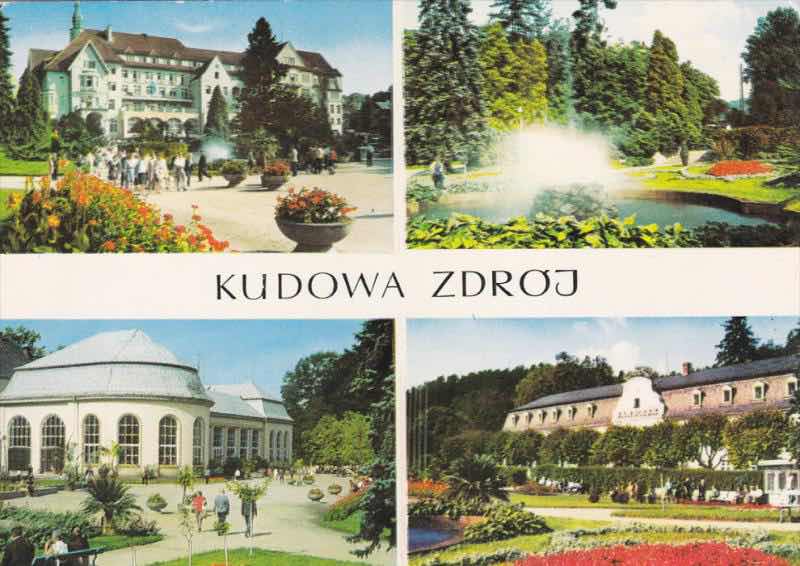
Kudowa-Zdr贸j, is a town located below the Table Mountains in K艂odzko CountyLower Silesian Voivodeship, in the southwestern part of Poland. It has a population of around 10,000 and is located at the Polish-Czech border. 


Kudowa-Zdr贸j is one of the oldest European spa towns where heart and circulatory system diseases were cured. The downtown area features a park styled on 17th century revival, with exotic plants and a mineral water pump room. Due to its location, the town is famous for tourismhiking and as the departure point for trips. 


The town has several historical and heritage sites such as the Chapel of Skulls within the Czermna district of Kudowa, an ossuarycontaining the bones or skeletal remains of thousands. It is one of six of its kind in Europe. Another site is the Basilica of Wambierzyce, nicknamed "Silesian Jerusalem", and one of the most popular Catholic pilgrimage destinations in Poland.

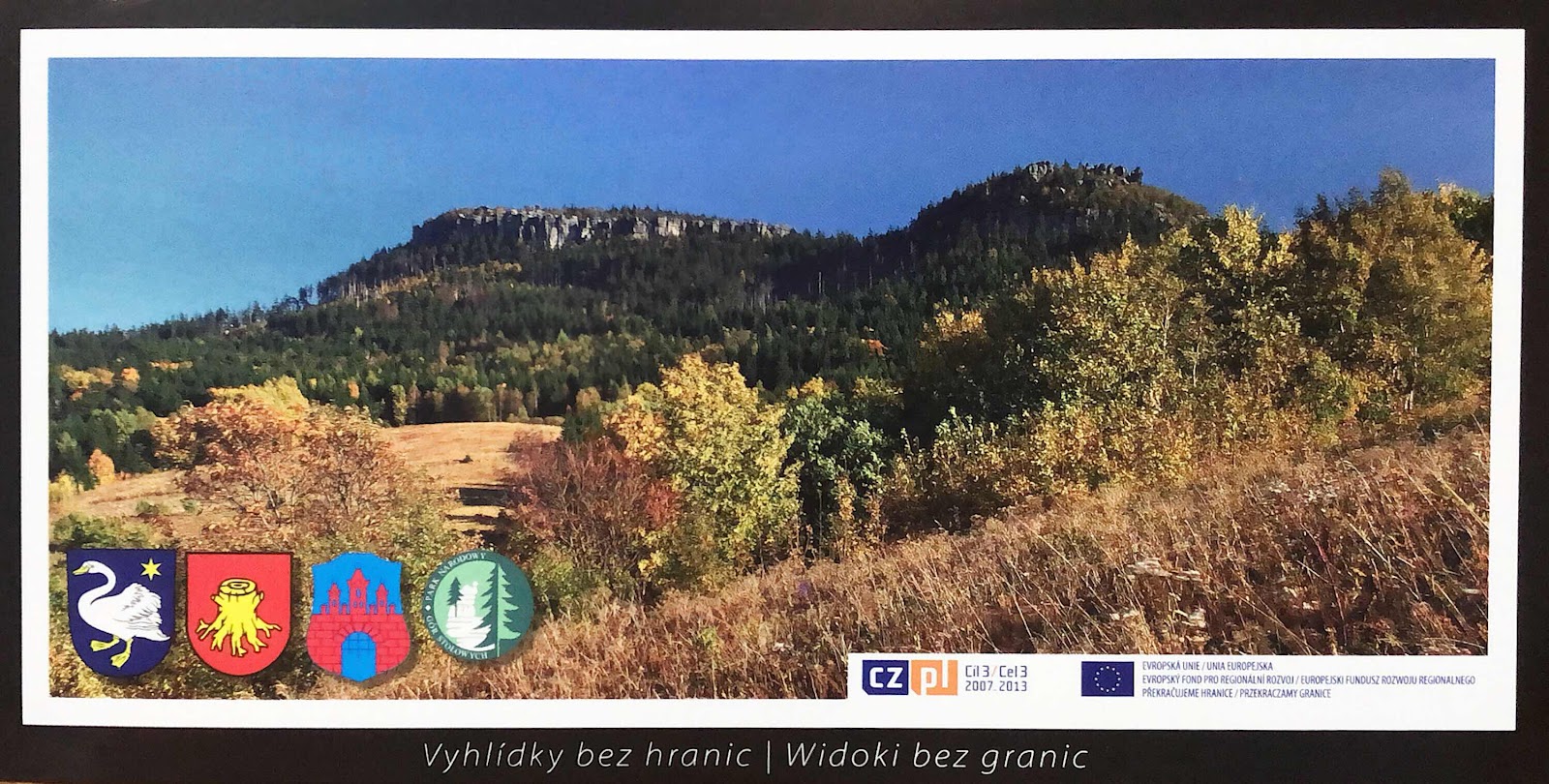
Szczeliniec Wielkithe highest peak (919 m) at Table Mountains, in the Table Mountains National Park. It belongs to the Crown of Polish Mountains and is one of the biggest tourist attractions of the Sudetes, the landscape reserve and viewing terraces with panoramic views of the Sudetes. The highest point is a rock called "Armchair of Great Grandfather" 


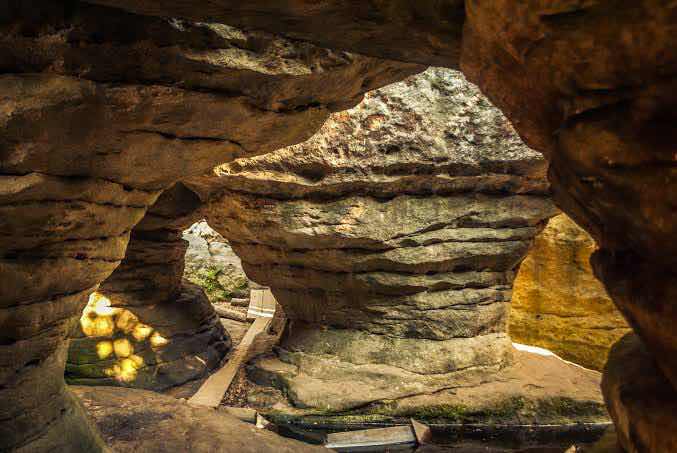
Bledne Skaly  - Although they are called the Errant Rocks in English, B艂臋dne Ska艂y looks almost intentional. As perfectly chiseled paths lead visitors on hikes, their imaginations can run wild among the natural forms of the rocks nestled near the Table Mountains of Poland.


 Thanks Wojtek for the postcards and the envelope with the cachets of the beautiful national parks :) I am sure you had a great trek in these mountains and a good time ! 

Friday, November 15, 2019

Szczawno - Zdr贸j


A cover from Szczawno - Zdroj in Poland 馃嚨馃嚤 

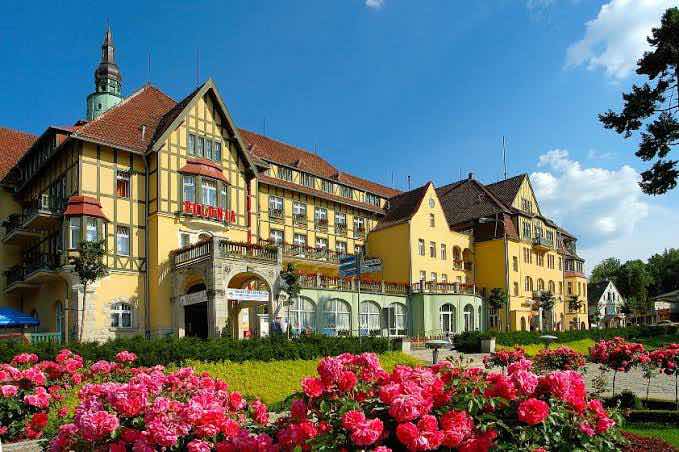
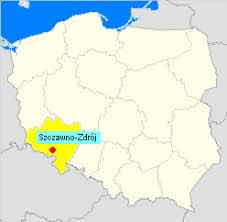
Szczawno-Zdr贸j is a spa town in Wa艂brzych CountyLower Silesian Voivodeship, in south-western Poland.


Since the 19th century the spa was very popular among the Polish cultural elite. From 1966, the city hosts the annual International Wieniawski Festival.


Postcards from the spa town ! Thanks Wojtek :) 


Thursday, October 31, 2019

Wroclaw


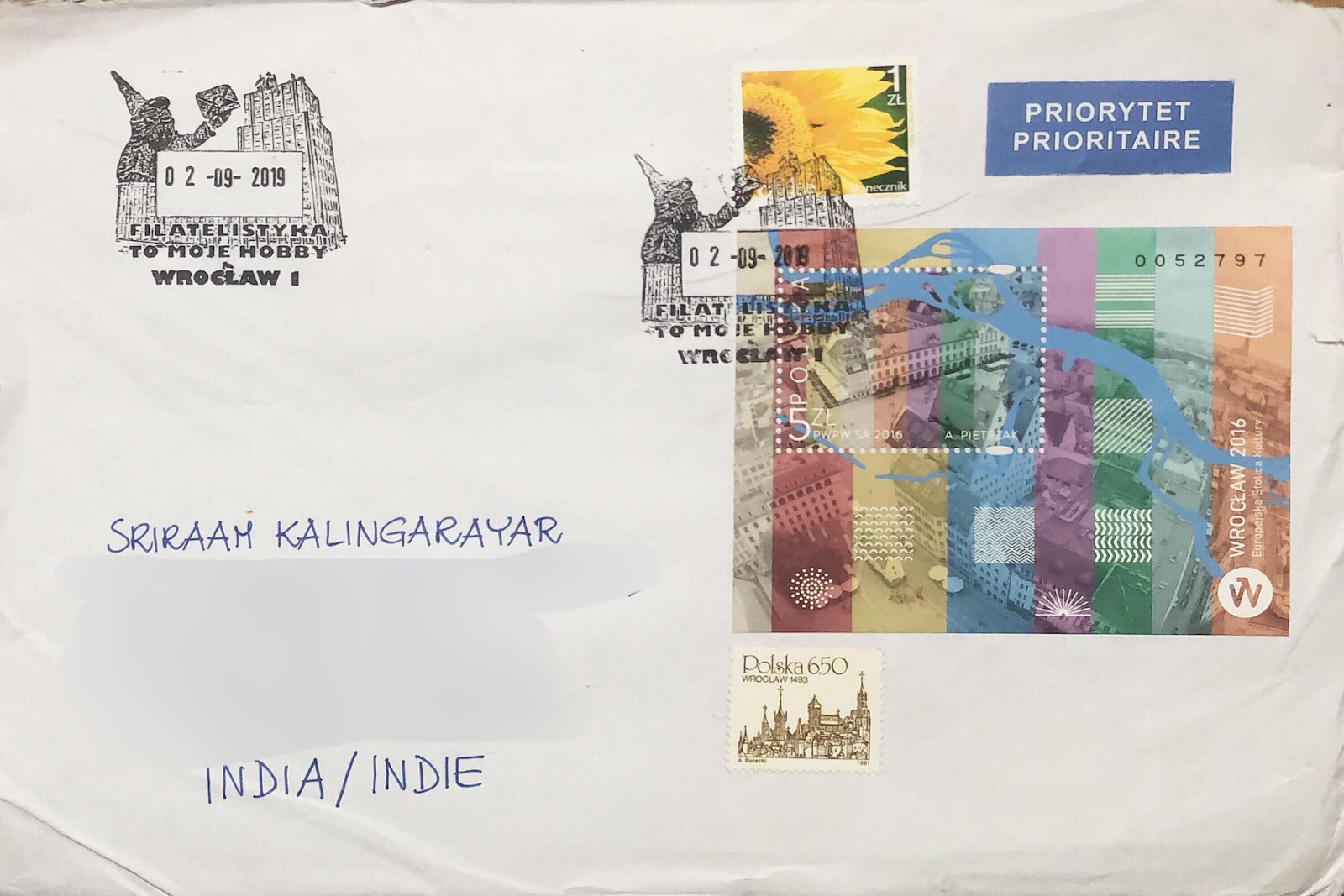
A cover from Wroclaw in Poland 馃嚨馃嚤 

Wroclaw- European Capital of Culture 2016
designer: Aleksandra Pietrzak
Date of issue - 15.01.2016

    A stamp issued on the occasion of the event Wroclaw, the European capital of culture 2016. To prepare an artistic program, the city of Wroc艂aw invited 8 curators, from eight arts. The cultural exposition was carried out in the following fields: architecture, literature, film, music, performance, opera, visual arts, theater. Wroclaw has gained new, smaller cultural centers such as the recently opened Fama Library and Cultural Center Psi Pole., The National Music Forum, Nowe 呕erniki WUWA2 housing estate.

Wroc艂aw is one of the oldest and the most beautiful cities in Poland. Situated at the foot of the Sudetes, by the Oder river, criss-crossed by its numerous tributaries and channels, it is an exceptional city of 12 islands and more than 100 bridges.


The walls are steeped in the city’s rich and turbulent history. Ostr贸w Tumski, “the Cathedral Island”, one of the most beautiful surviving sacred architecture sites in Europe, is a reminder of the early Middle Ages. The Wroc艂aw city hall is counted among the most splendid Gothic-Renaissance buildings in Central Europe. The large market square, enclosed by impressive tenement houses, after a thorough renovation in 1997 is without a doubt the most beautiful in Poland and one of the most beautiful in Europe.


The city also boasts many green spaces, starting with Promenady Staromiejskie (Old Town Promenades) in the city centre and more than 14 parks and gardens further in. The Botanical Garden, with its beautiful flower garden, orangery, rock garden and cactus greenhouse, as well as the Zoological Garden, funded in 1865, are both perfect places for taking a walk. Park Szczytnicki, too, will surprise you with an exceptional attraction: an original Japanese Garden. 


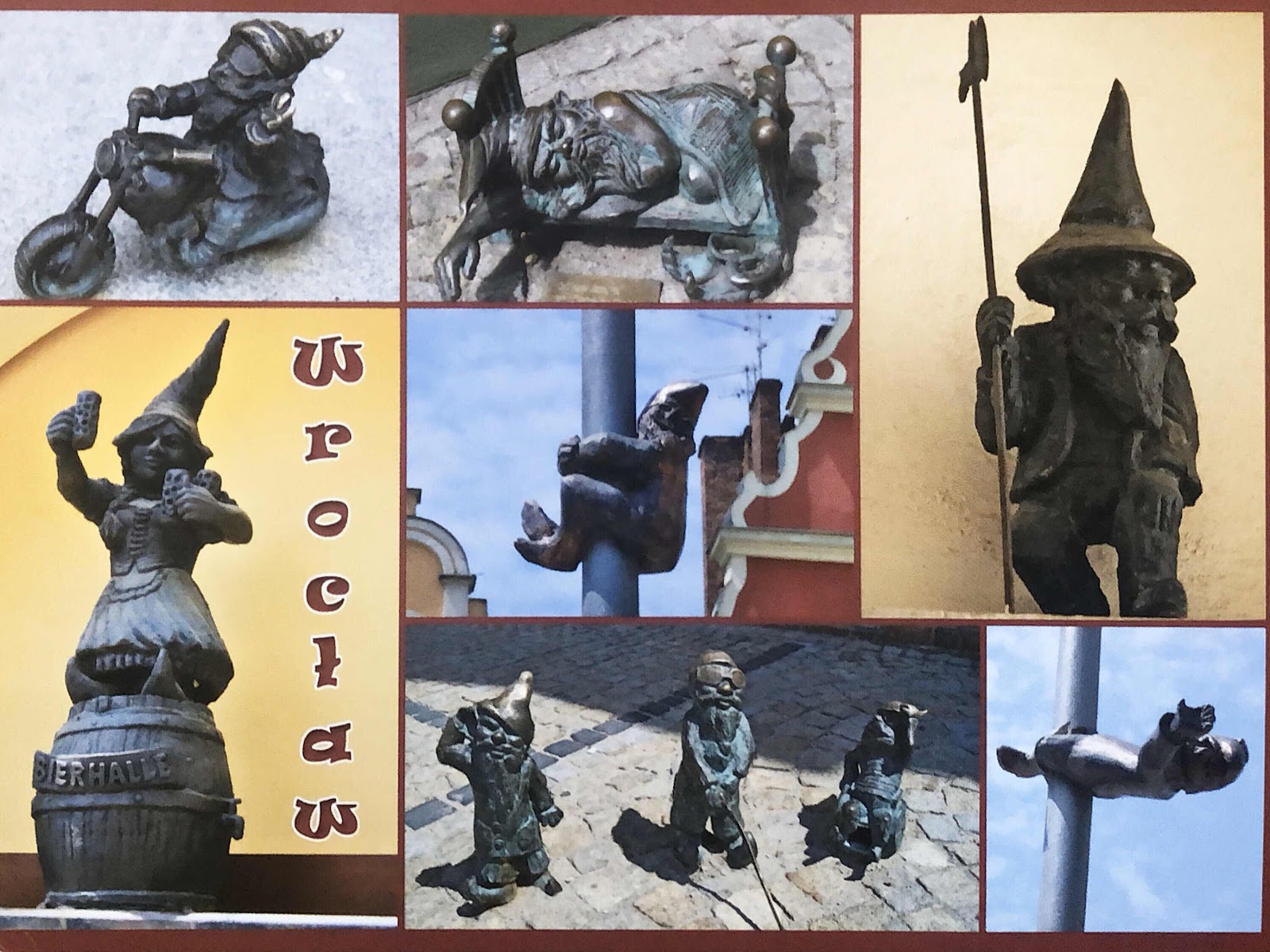
A postcard showing the Wroclaw Dwarfs 

Wroc艂aw’s dwarfs are small figurines (20-30 cm) that first appeared in the streets of Wroc艂awPoland, in 2005. Since then, their numbers have been continually growing, and today they are considered a tourist attraction: those who would like to combine sight-seeing in Wroc艂aw with "Hunting for dwarfs" are offered special brochures with a map and mobile application software for smartphones.

A postcard showing Postal museum , Wroclaw 

Housed inside 1929's former Central Post Office, this magnificent building was one of the first high-rises in Wroc艂aw and is easily recognisable from the Old Town thanks to the crown of satellite dishes on its roof. Today it houses one of the city's most idiosyncratic and fascinating museums, displaying the complex history of Poland's postal service and the development of communications technology from the 16th century to the present day. Over two floors you'll see a wealth of paintings and graphics, postage stamps, mailboxes, mail carriages, uniforms, decorative letter scales, and other instruments including early telegram machines, telephones, radios, and computers

Thanks Wojtek for the wonderful tour of Wroclaw ! 


Tuesday, October 29, 2019

Defence of the Polish Post in Gda艅sk


An FDC from Poland 馃嚨馃嚤  commemorating an important anniversary of Polish history 

80th anniversary of the Defence of Polish Post in Gda艅sk 
Date of issue : 1-9-2019

The Defence of the Polish Post Office in Danzig (Gda艅sk) was one of the first acts of World War II in Europe, as part of the Invasion of Poland


The Polish Post Office (Poczta Polska) in the Free City of Danzig was created in 1920 under the Treaty of Versailles, and its buildings were considered extraterritorial Polish property. The Polish Post Office in Danzig comprised several buildings. Tensions started brewing between Germany and Poland by 1939. The Polish high command sent Konrad Guderski to organise and prepare the Polish post office employees for possible hostilities. 

In the Polish Post Office complex on 1 September 1939 there were 56 people: Guderski, 42 local Polish employees, ten employees from Gdynia and Bydgoszcz, and the building caretaker with his wife and ten-year-old daughter, Erwina, who lived in the complex. 

The German attack plan, devised in July 1939, determined that the main building and its defenders would be stormed from two directions. A diversionary attack was to be carried out at the front entrance, while the main force would break through the wall from the neighbouring Work Office and attack from the side. Danzig Police also drew up plans for attacking the post office. During the attack , Konrad Guderski was killed while he detonated his own grenade to prevent the Germans advancement. 

Frustrated by the Poles' refusal to surrender, Bethke requested a rail car full of gasoline. Danzig's fire department pumped it into the basement, and it was then ignited by a hand grenade. After three Poles were burned alive (bringing the total Polish casualties to six killed in action), the rest decided to capitulate. The first two people to leave the building, director Dr. Jan Micho艅, carrying a white flag, and commandant J贸zef W膮sik, were shot by the Germans. The rest of the Poles were allowed to surrender and leave the burning building. Six people managed to escape from the building, although two of them were captured in the following days.

Sixteen wounded prisoners were sent to the Gestapo hospital, where six subsequently died (including the 10-year-old Erwina). The other 28 were first imprisoned in the police building and, after a few days, sent to the Victoriaschule, where they were interrogated and tortured. Some 300 to 400 Polish citizens of Danzig were also held there. The prisoners were mostly executed by firing squad led by SS-Sturmbannf眉hrer Max Pauly (later commandant of the Neuengamme concentration camp) on 5 October and buried in a mass grave at the cemetery of Danzig-Saspe (Zaspa).

The families of the postmen were also persecuted. A similar fate awaited eleven Polish railway workers from Tczewsouth of the city, who were executed by the SA after they foiled a German attempt to use an armoured train in a sneak attack.

In Poland, the episode has become one of the better known episodes of the Polish September Campaign and it is usually portrayed as a heroic story of David and Goliath proportions - 10 postmen against the mighty German Nazi army ! 

Dark days of Europe !! 

Thanks Wojtek for this FDC ! The stories of World War Two are quite overwhelming for me :( 

Tuesday, October 22, 2019

Centenary events of Poland


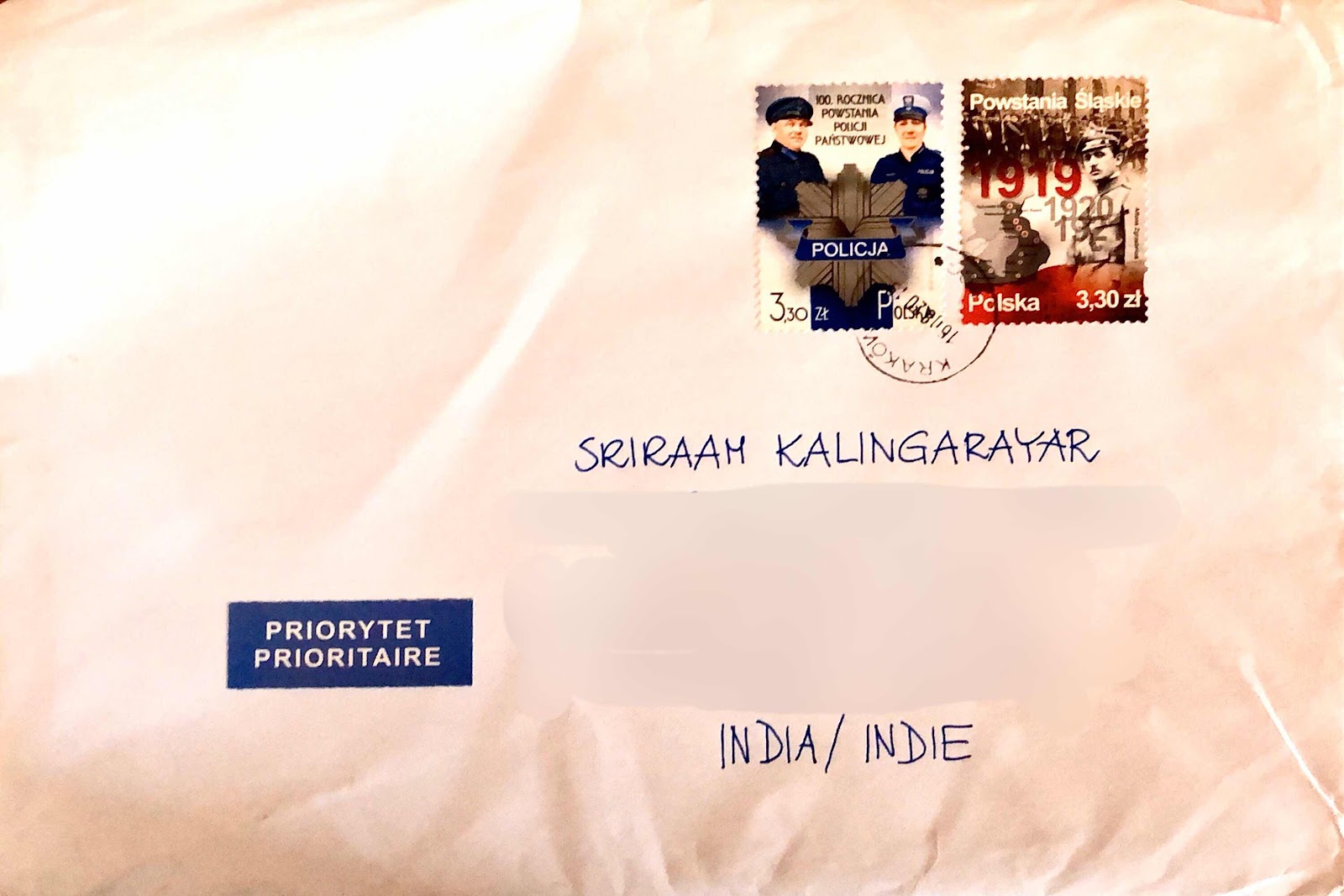
A cover with two Centenary events stamps of Poland 馃嚨馃嚤 

100 years of State Police 
Date of issue : 24 July 2019 


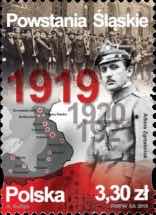
100 years of First Silesia Uprising 
Date of issue : 16 - August - 2019 

Poland State Police 

In 1919, with the re-independence of the Polish nation, the state reorganised itself along non-federalist lines and established a centralised form of government. Under the auspices of the new government, a new national police force was formed; this 'Polish State Police' (Policja Pa艅stwowa) then existed as the primary law enforcement agency for the entire nation up until the outbreak of the Second World War in 1939. During the inter-war period, a number of key law enforcement duties were delegated to other formations, such as the Border Guard and Military Gendarmerie.

With the end of World War II and the onset of the communist period, the new Soviet backed government decided to radically change the structure of policing in Poland; the state 'Policja' was renamed as the 'Milicja Obywatelska' (Citizen's Militia)

After the fall of the communist government in Poland, the system was reformed once again, this time reviving the pre-war name of 'Policja' and albeit with a few minor changes, the general system of law-enforcement of the Second Republic.


First Silesian Uprising 

On 15 August 1919, German border guards (Grenzschutz) massacred ten Silesian civilians In a labour dispute at the Mys艂owice mine (Myslowitzer Grube). The massacre sparked protests from the Silesian Polish miners, including a general strike of about 140,000 workers, and caused the First Silesian Uprising against German control of Upper Silesia. The miners demanded the local government and police become ethnically mixed to include both Germans and Poles.


Thanks Wojtek for this beautiful cover ! 

Monday, October 14, 2019

Gandhi’s legacy lives on


A beautiful FDC from Poland 馃嚨馃嚤 

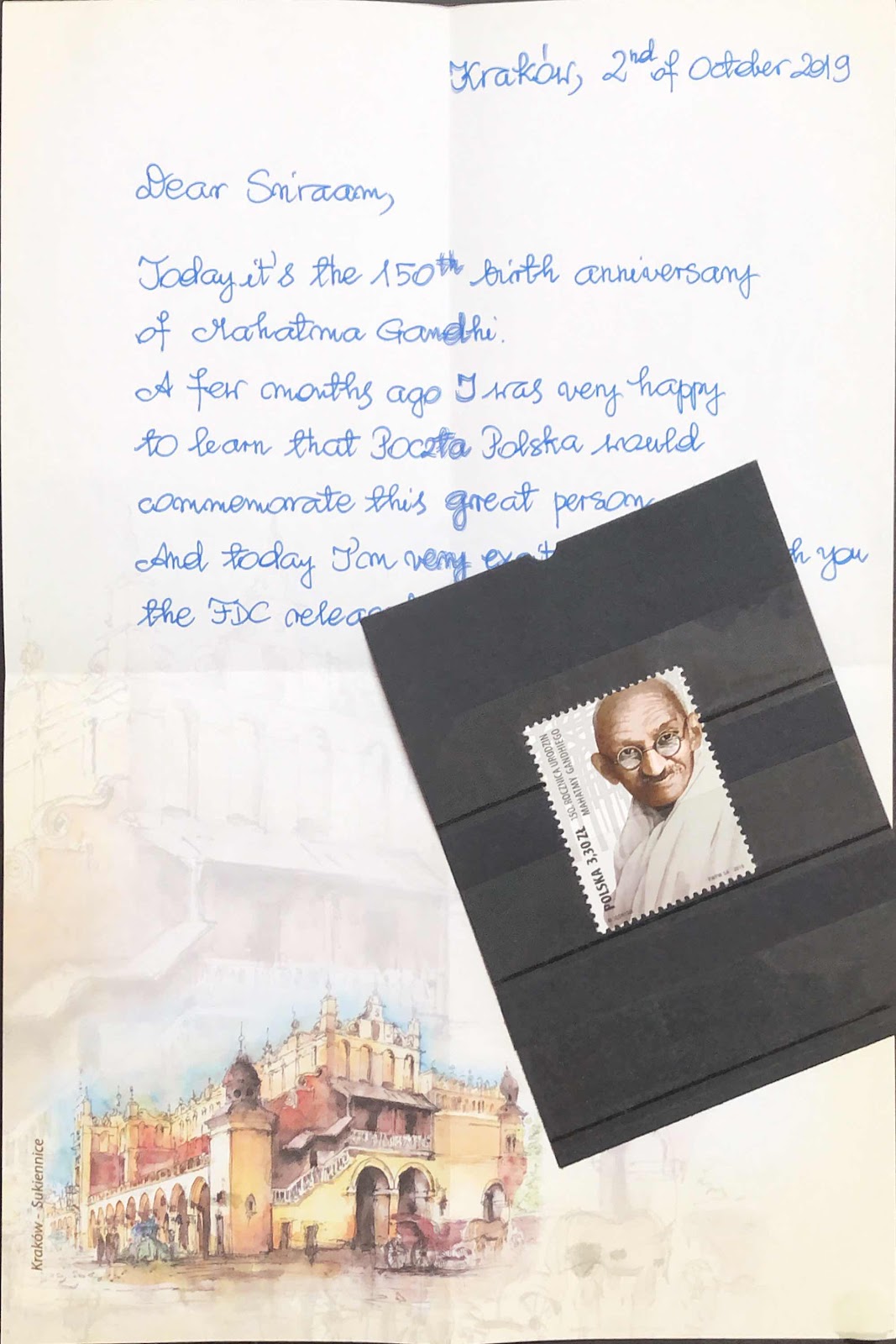
It’s 150th birth anniversary of the Mahatma ( Great soul ) and the world still celebrates him - one of the greatest man to walk this earth in flesh and blood. 

He lived in troubled times and in a troubled country - and still stood for Truth and Non Violence. He was not a coward who hid behind the curtains of Non Violence. His form of Ahimsa - non violence was an active one - where he led the country in protests and civil disobedience - ways of  attack that the war mongering nations had no clue how to retaliate back ! And ultimately India won its independence from four centuries of colonial rule by non violence. 

Gandhiji’s principles have been followed throughout the world since then - and there have been many leaders who have been inspired by him ! 

Though I have another post where I record all the covers with Gandhi stamps that I receive , this cover deserves special mention since the sender and I share similar thoughts on current world politics and the principles of non violence .. and I know that he is as excited about a Polish stamp on Gandhi , as I am ! 


Thanks Wojtek for this superb cover ! May the world always be at peace :) 

Saturday, October 5, 2019

Krakow’s Bugle call


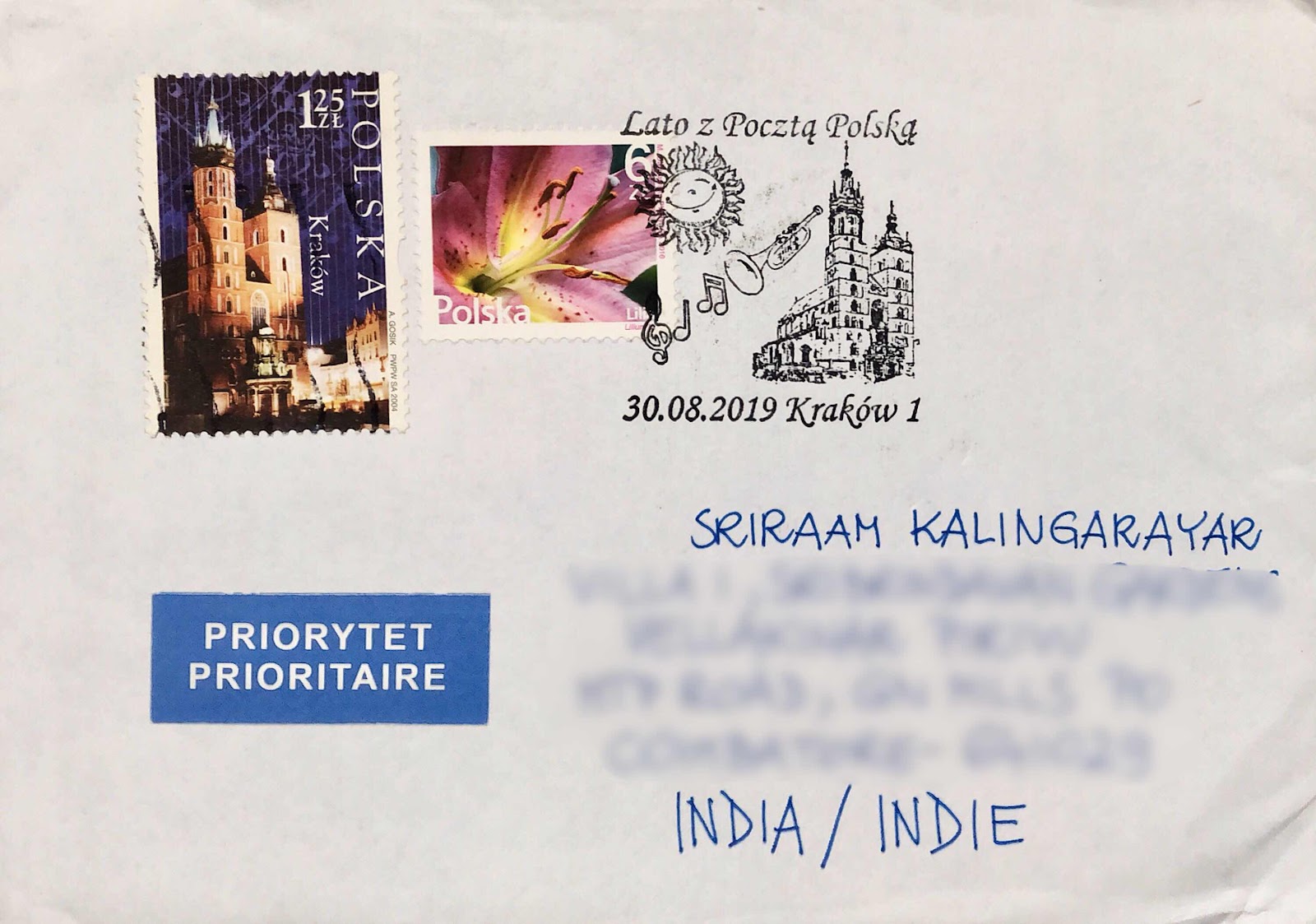
A beautiful cover from Poland 馃嚨馃嚤 with a very beautiful special pictorial postmark 

The postmark honours the several century old tradition of the Bugle call in Krak贸w. 


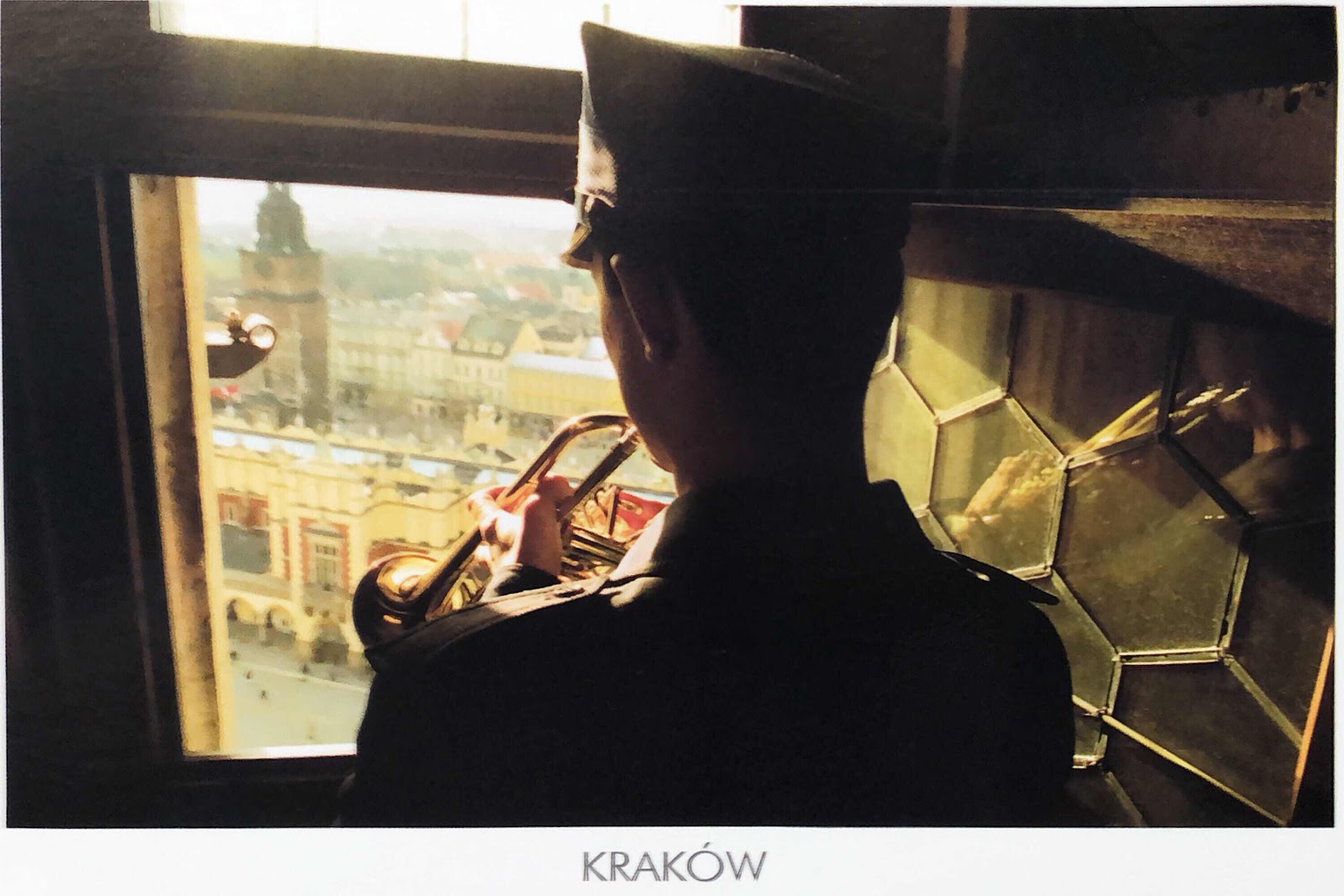
A postcard showing the bugler atop St. Mary’s tower in the market square of Krak贸w 

Hejna艂 mariacki or St. Mary’s tower bugle call is a traditional, five-note Polish anthem closely bound to the history and traditions of Krak贸w. It is played every hour on the hour, four times in succession in each of the four cardinal directions, by a trumpeter on the highest tower of the city's Saint Mary's Church. The noon performance is broadcast via radio to all of Poland and the world.


According to a popular 20th-century legend, during a Mongol invasion of Poland (the invasion usually cited is that of 1241), Mongol troops led by General Subutai approached Krak贸w. A sentry on a tower of St Mary's Church sounded the alarm by playing the Hejna艂, and the city gates were closed before the Tatars could ambush the city. The trumpeter, however, was shot in the throat and did not complete the anthem, and this is the legendary reason as to why performances end abruptly before completion.


Another recent tradition has it that the four directions in which the tune is played are in honour of the King (southwards towards Wawel Castle); the Mayor or Bishop towards City Hall or Bishop's Palace on Kanonicza Street, the citizens towards Main Market Square, and the peasants and visitors (towards the fields outside Krak贸w). At the end of each tune the trumpeter waves at the people in the square who are expected to wave back.

Thanks Wojtek for this cover and postcard showing a very interesting tradition of the great city - Krak贸w ! 

Tuesday, September 3, 2019

Towns and villages of Poland

Covers from Poland 馃嚨馃嚤 from various small villages and towns ! 


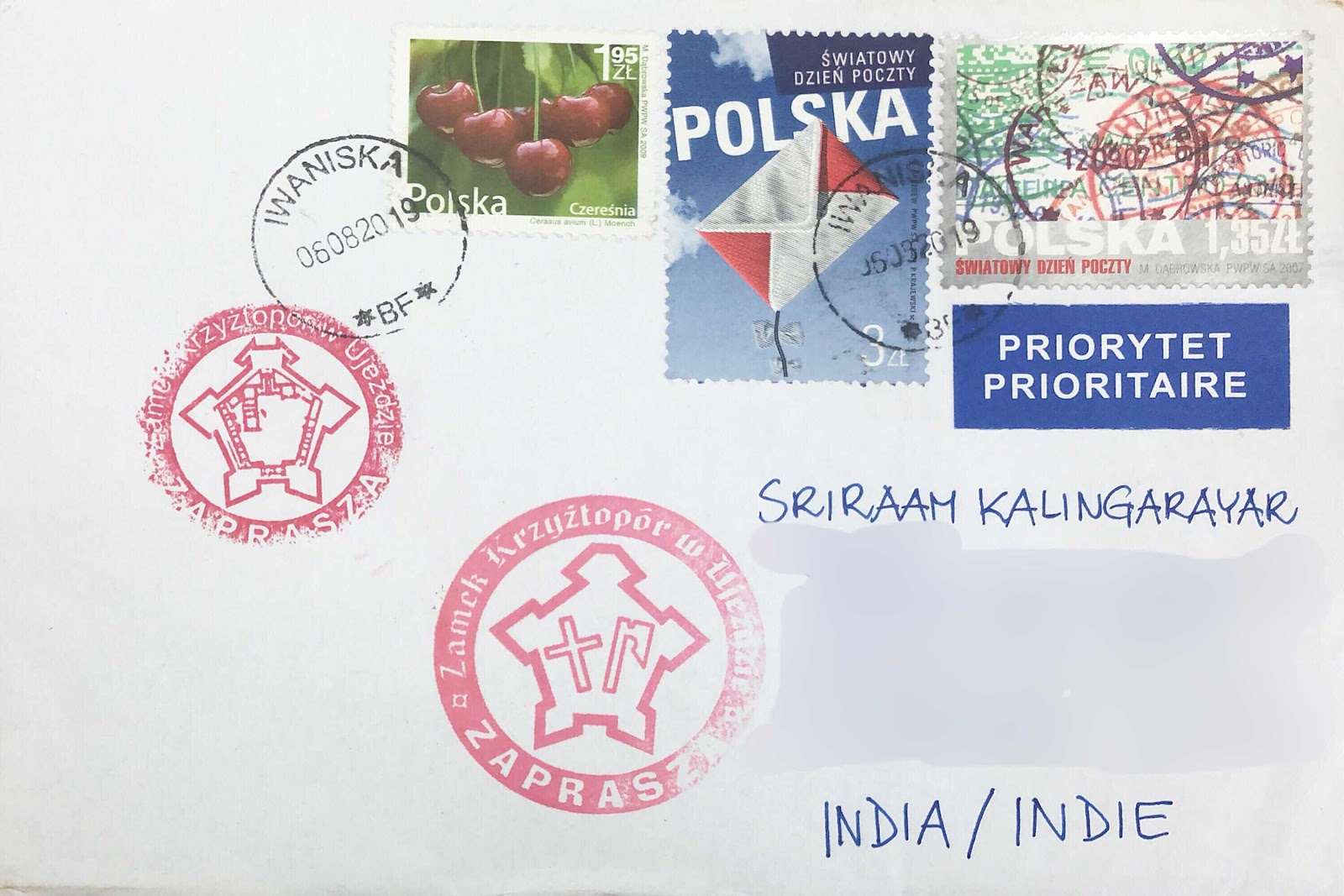
This cover is from Iwaniska. 

Iwaniska is a village in Opat贸w County, 艢wi臋tokrzyskie Voivodeship, in south-central Poland. It is the seat of the administrative district called Gmina Iwaniska. It is close to Opat贸w and the regional capital Kielce. Iwaniska lies on the Koprzywianka river in historic Lesser Poland in the southeastern corner of the Swietokrzyskie Mountains. 

In 1403, the influential Zborowski family decided to found a town here. The decline of Iwaniska was marked by the Swedish invasion of Poland; in 1656 the town was plundered and completely burned by Cossacks. Iwaniska, in common with many other places throughout eastern Europe, was home to a vibrant Jewish community until World War II. 


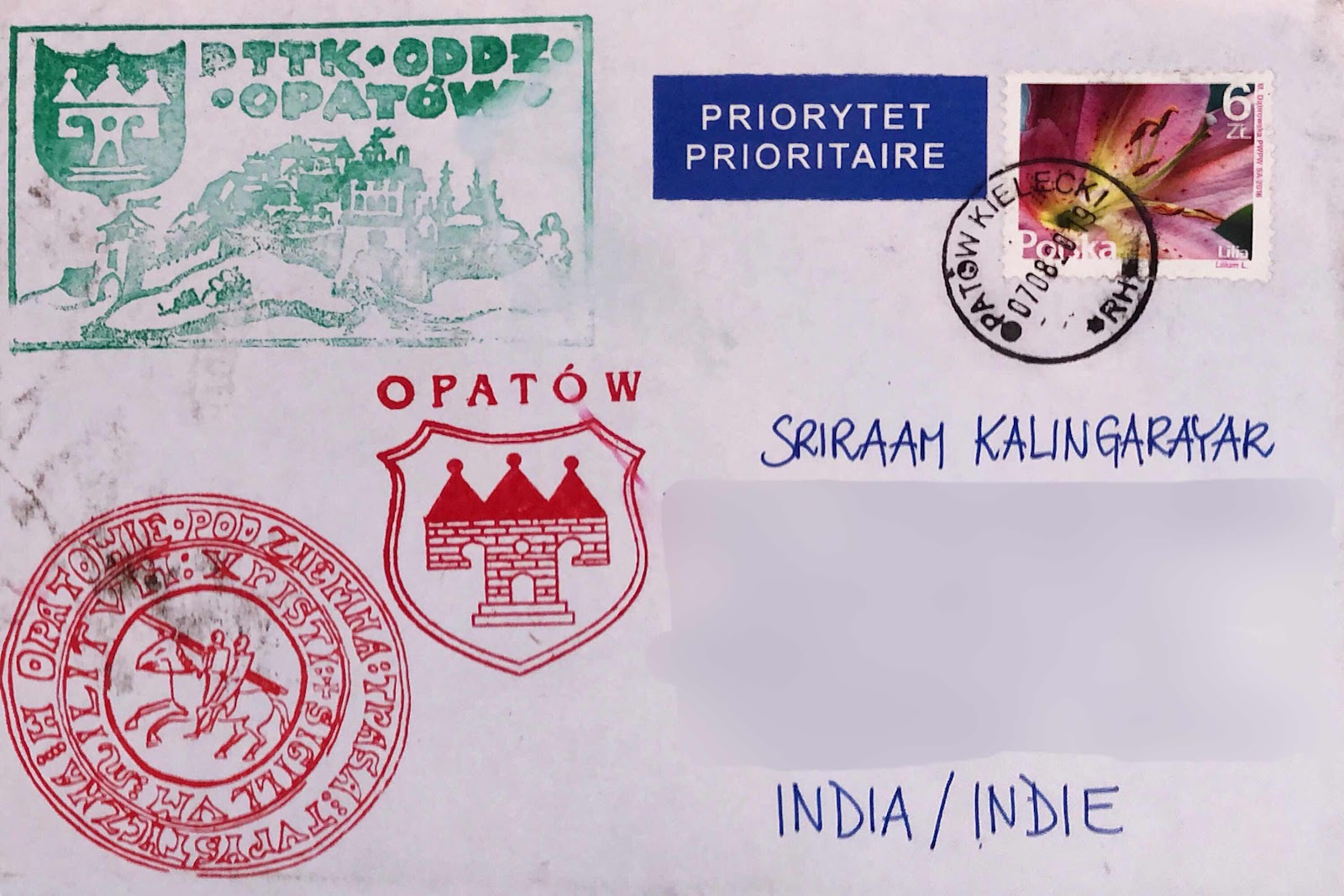
A cover posted in Opat贸w of Kielce 

Opat贸w is a town in Poland, in 艢wi臋tokrzyskie Voivodeship, historic province of Lesser Poland. It is the capital of Opat贸w County. Its population is 7,833 (2007). Opat贸w is located among the hills of Lesser Polish Upland, with the Opat贸wka river dividing the town into two parts.

For centuries, until the Partitions of Poland, Opat贸w was an important regional center of Lesser Poland. It belonged to a number of noble families (Tarnowski family, Ostrogski family, Lubomirski family, Potocki family, and Karski family), and remained in private hands until 1864. In the 18th century, Opat贸w became home to a number of Greeks, who had escaped to Poland from Turkish occupation of their homeland. Opat贸w was the first town in the Sandomierz Voivodeship, in which Jews settled. During World War II the community was herded into the new Opat贸w Ghetto set up by the Nazis along the Joselewicza, Zatylna, W膮ska and Starowa艂owa Streets. The ghetto held about ten thousand Jews.


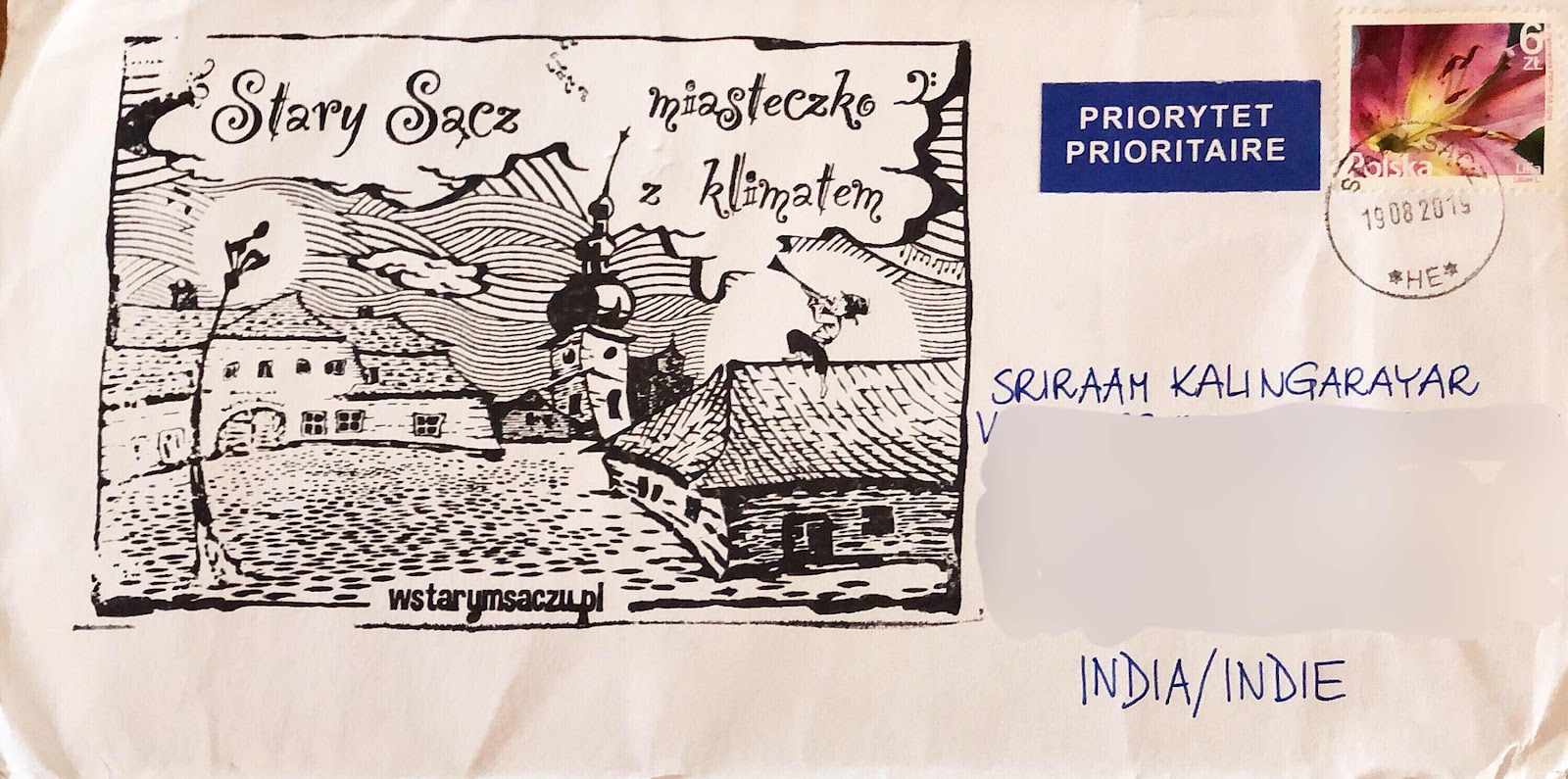
A cover form Stary Sacz 

Stary S膮cz  is one of the oldest towns in Lesser Poland VoivodeshipPoland, founded in the 13th century. The history of the town dates back to the early Middle Ages when Duchess Kinga, the daughter of the King B茅la IV of Hungary and the wife of Duke Boles艂aw V the Chaste, received the land called S膮cz, together with surrounding villages, from her husband in the year 1257. In the year 1358 the town received a privilege of the Magdeburg law, confirmed by King Casimir III the Great. However the town was often damaged by disasters, of which fires were the most harmful. The town also did not manage to escape floods, plagues and wars. During the biggest fire, in 1795, almost all the town has burned down.

One of Poland’s biggest landscape parks stretches all over the range of the mountains Radziejowa and Jaworzyna in the Beskid S膮decki region. There are many trails waiting for keen hikers. Some of them start in Stary S膮cz - The Yellow Route and The Blue Route ! 

I wonder which route my friends took ?!? 

Thanks Wojtek for these lovely covers and the wonderful postcards :) I am soon going to have a separate space for postcards from Poland ! 


Friday, August 9, 2019

Smile heals ...


A cover that just springs with joy, colours and happiness - from Poland 馃嚨馃嚤 

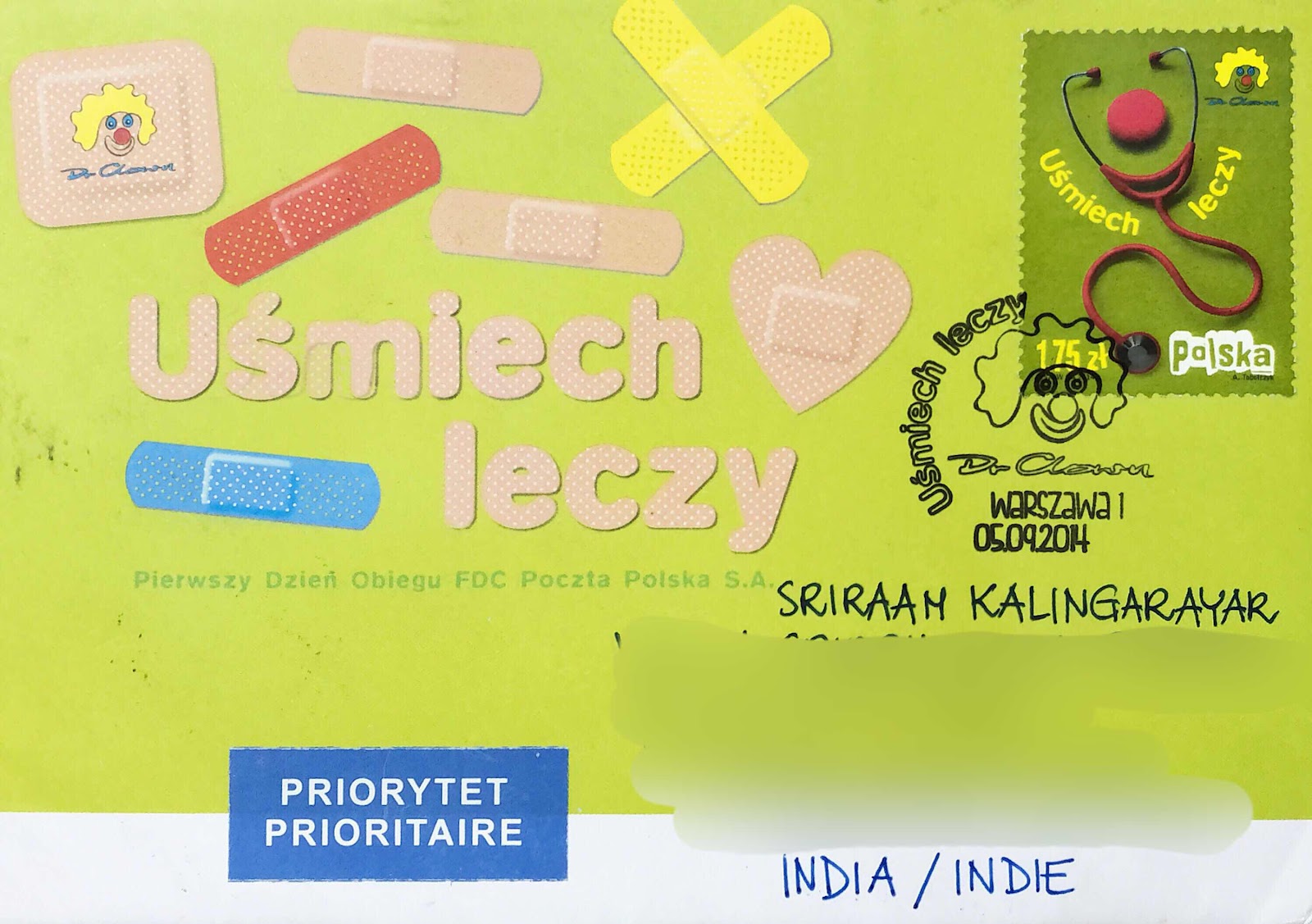
Smile cures .. 
Date of issue : 5 September 2014

Power of laughter not only reduces anxiety and stress, but also significantly boosts the immune system in our bodies. Simply, laughter is as good as surgical mask or even better as its effects are more lasting, it’s cheaper and always available.

The Dr. Clown Foundation brings joy to the most vulnerable people in the community. Since 2002, the Dr. Clown Foundation has been developing its personal relationship approach that is focused on improving the quality of life of hospitalized children, students in specialized schools, hospitalized patients of all ages and seniors in care facilities.

The Foundation runs two separate programs: 

Dr. Clown, designed for schools and hospitals, and La Belle Visite, intended for seniors. 

Both aim to create caring and respectful relationships that bring a breath of joy into environments where sometimes little exists.

Making meaningful connections, breaking isolation, providing friendship and comfort, helping to humanize healthcare settings and upholding a person’s dignity by treating them with kindness and respect are just some of the observable benefits of the interventions of the therapeutic clowns. The positive impact of these programs is recognized by both medical practitioners and educators, who integrate the therapeutic artists into their care plans. 

History of “Hospital Clowning”  goes back to Polish volunteer Jan Tomasz Rogala who moved with his clown colleagues to Ukraine and introduced this concept of clown therapy in the hospitals as well as among the local volunteers.

Jan’s first experience with red nose trace back to 1997 in Astrakhan, Russia. He was already working in different charities for 10 years by then. His American colleague, also a volunteer, introduced him to clown costume as they were conducting series of programs in orphanages and shelters. The magic took place instantly. As Jan recalls in his own words: “We were transported into such a world of laughter and joy that I thought to myself maybe in fact I was born to be a Clown”. In his home country of Poland he was studying meteorology and later English teaching but with time he understood his mission and calling to commit himself to charity work; so started his adventure with volunteering 28 years ago. 

In 2006 Jan Tomasz with his family moved to Dnepropetrovsk and as Doctor Fanarik (little flashlight) serves the children in the local hospitals

As Mark Twain said, “Against the assault of laughter nothing can stand. The human race has only one really effective weapon, and that is laughter.

Thanks Wojtek for this wonderful first day cover :) I am really intrigued by the concept of Hospital Clowning ! 


And thanks so much for this lovely postcard :) it’s on my work desk now ;)