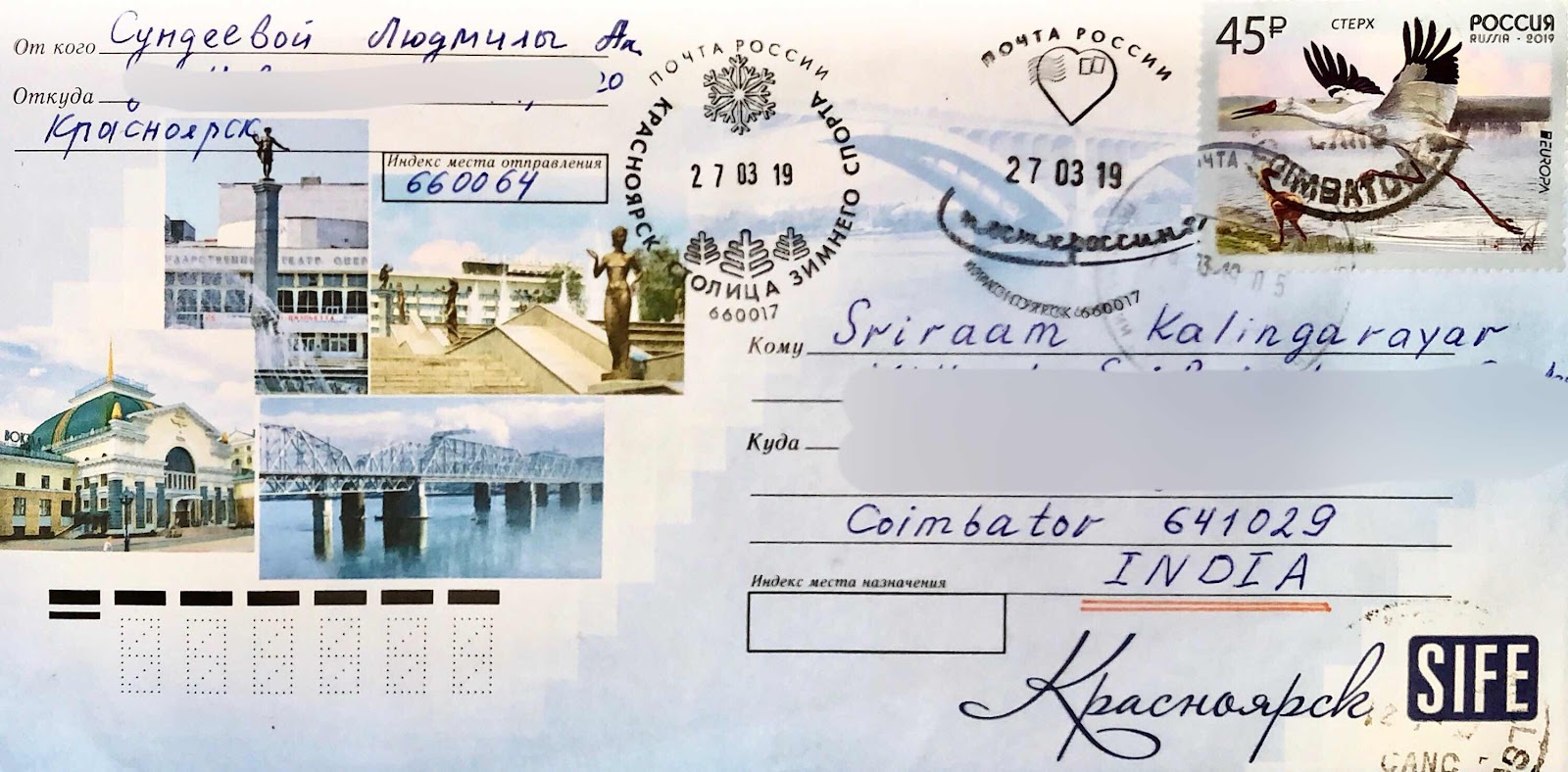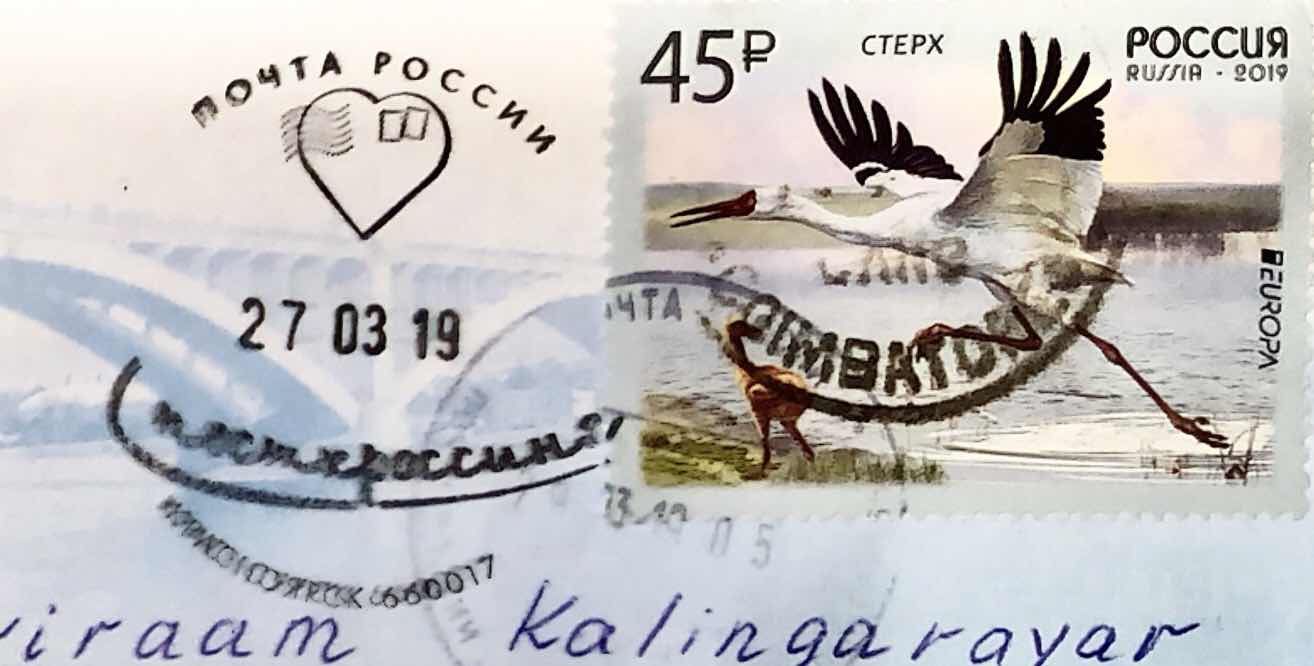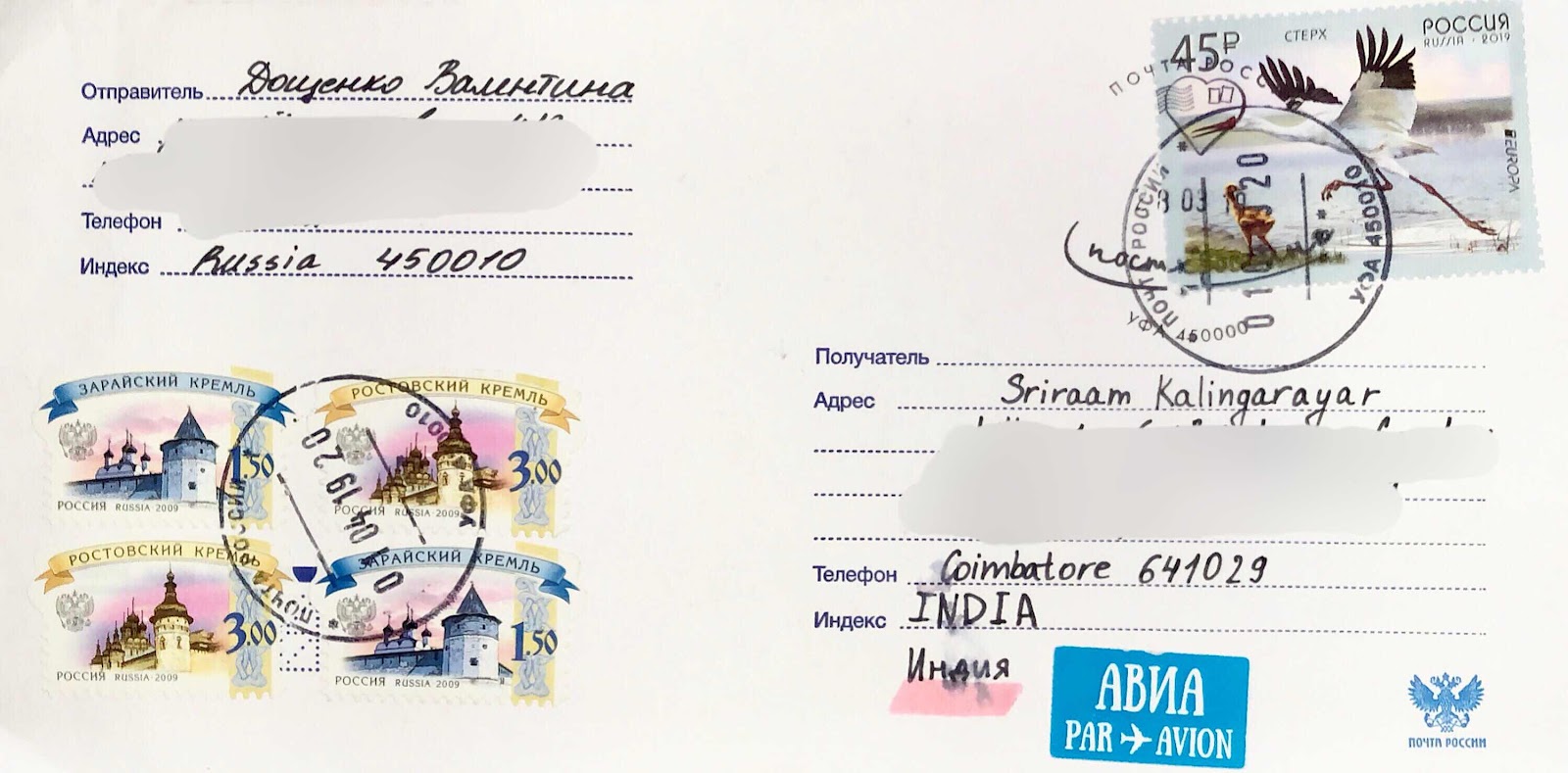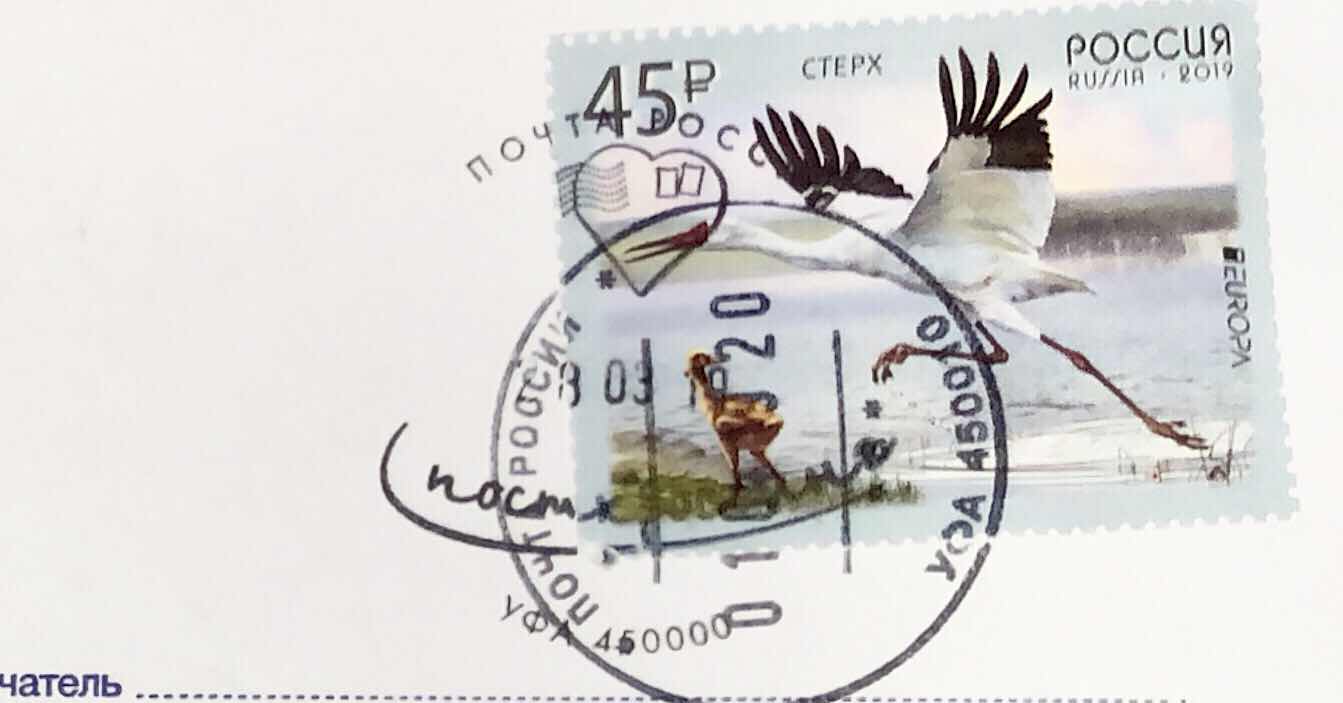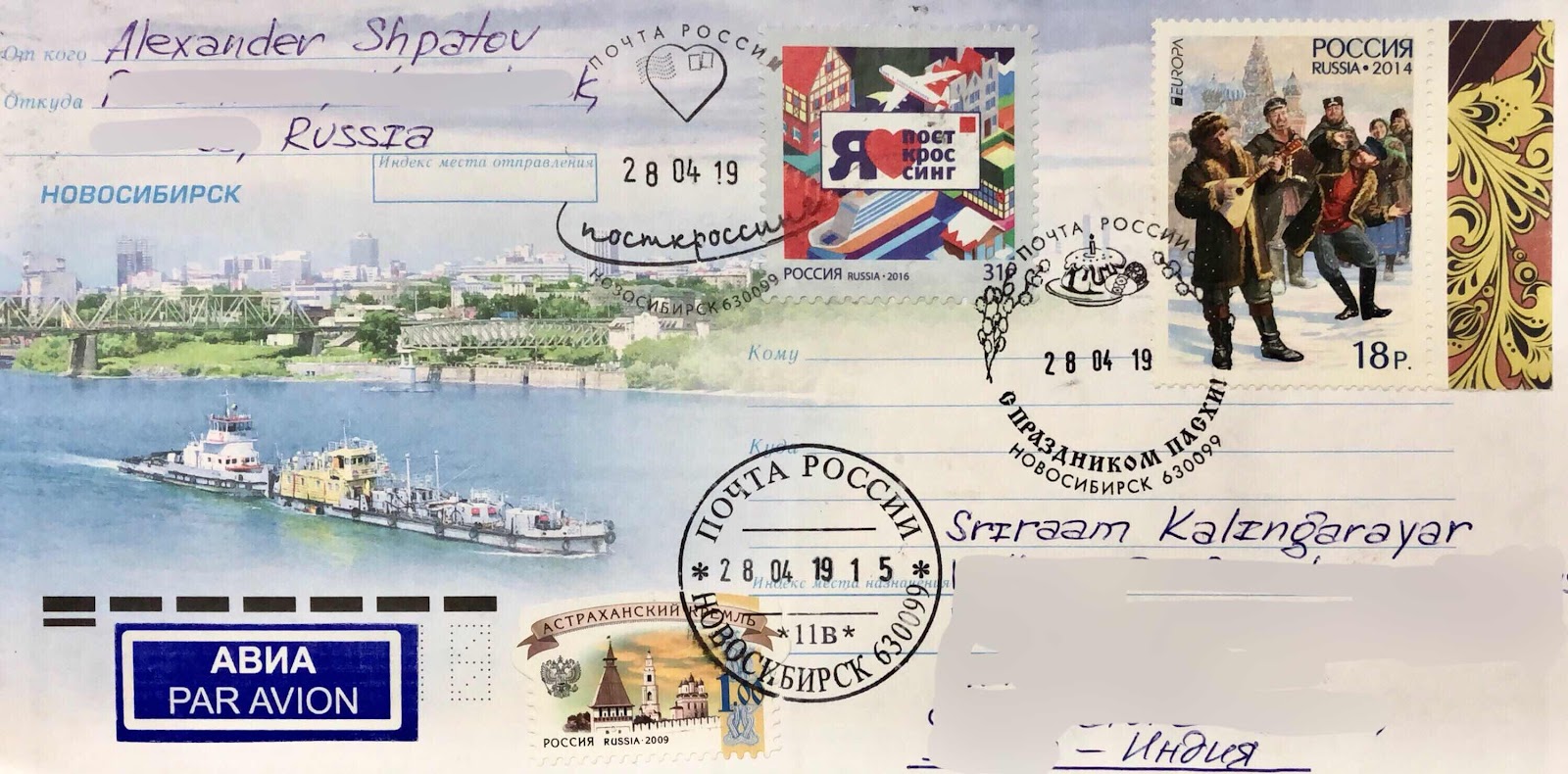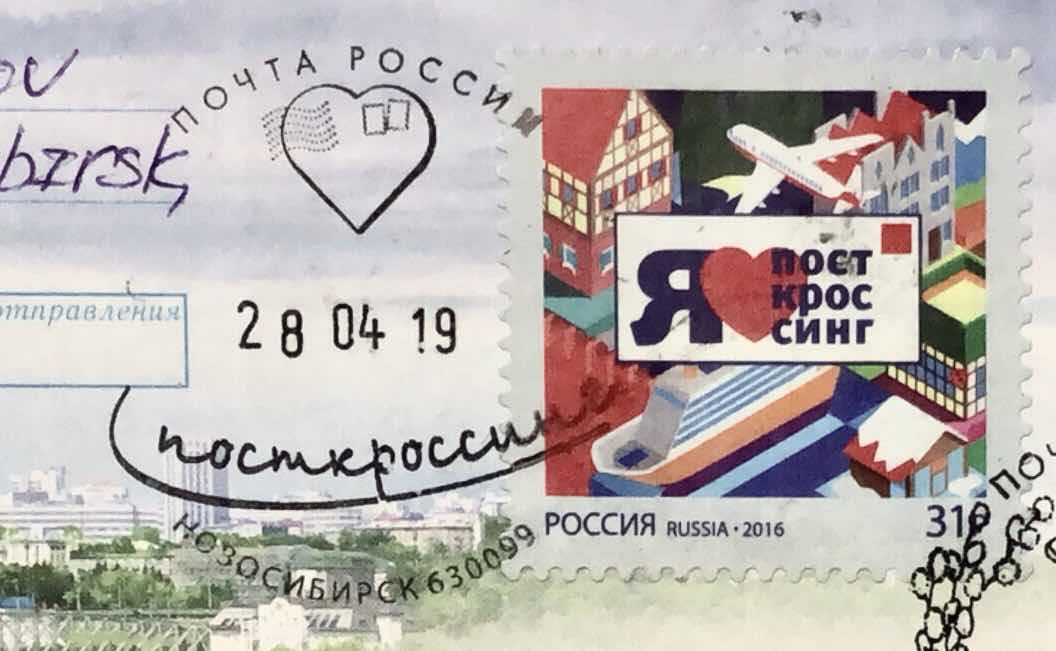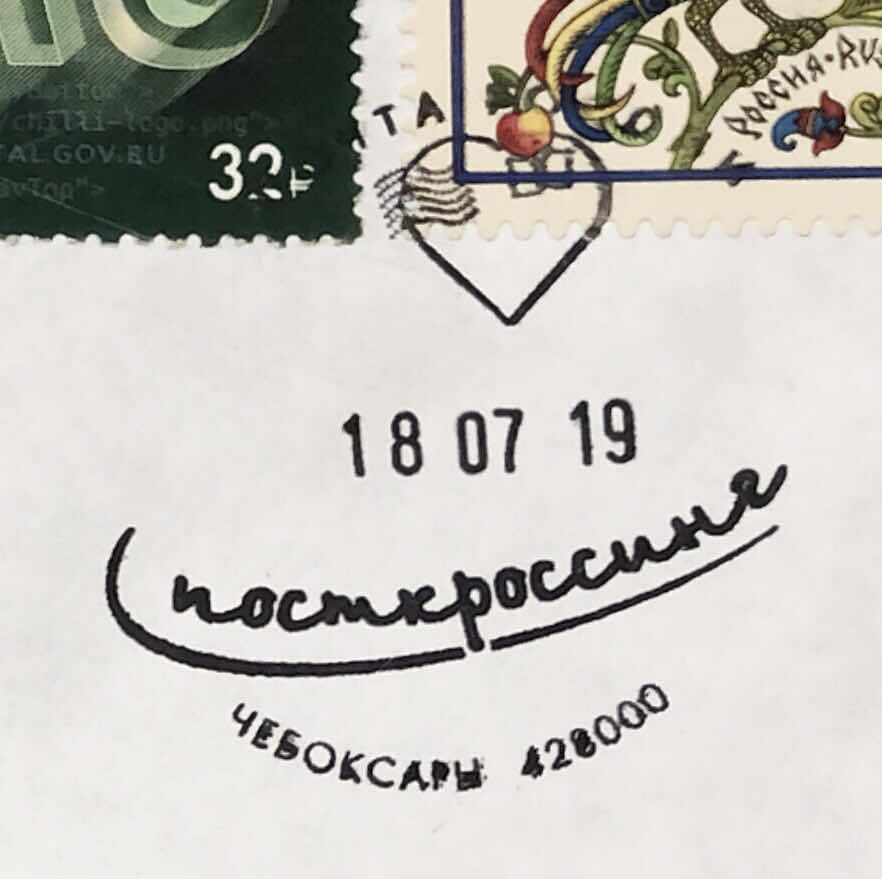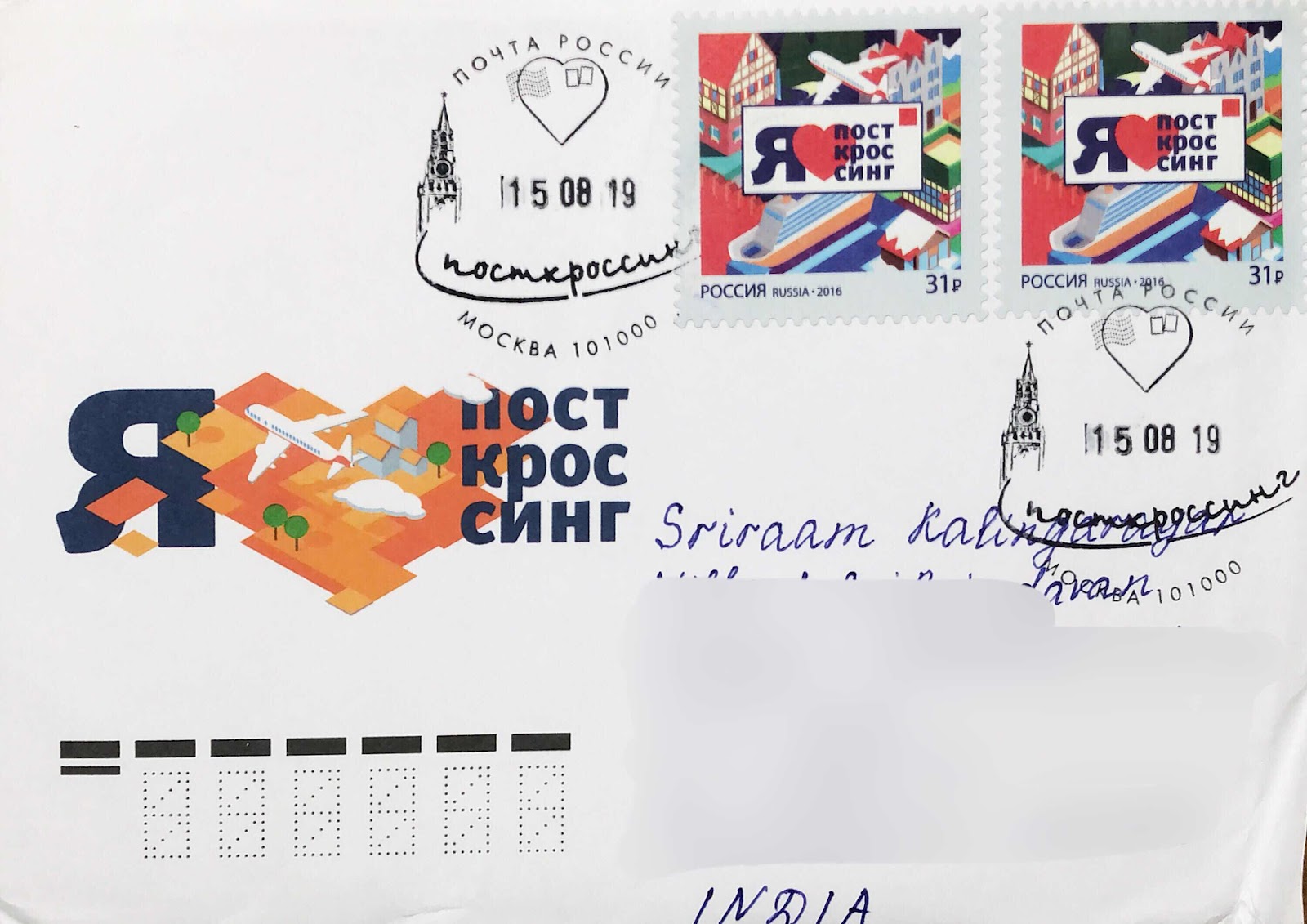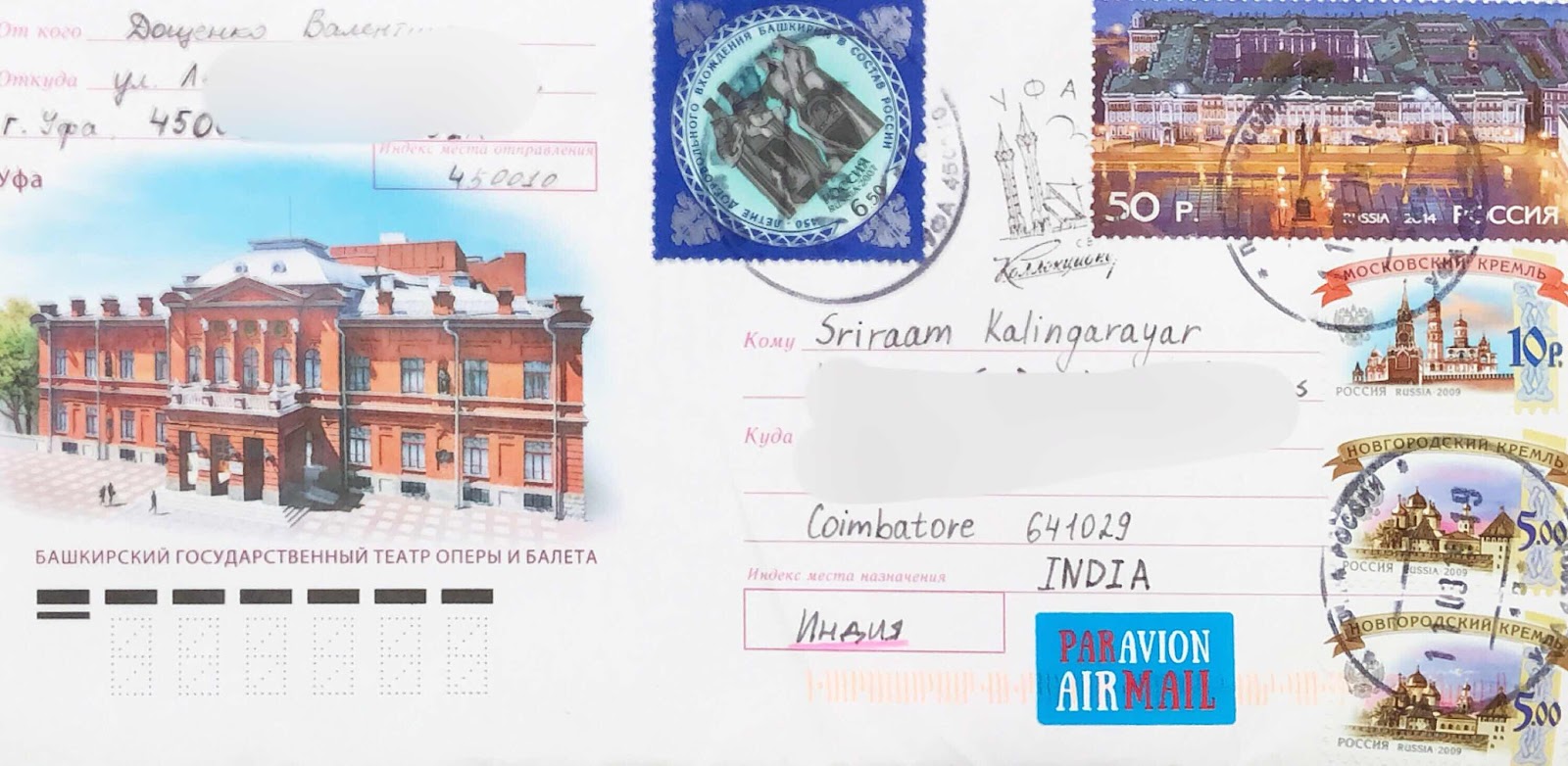
A cover from Ufa, Russia with some nice stamps and a pictorial postmark !
450th anniversary of the entry of Bashkirs into Russia
Date of issue- 24/April/2007
The Republic of Bashkortostan , also historically known as Bashkiria, is a federal subject of Russia (a republic (state)). It is located between the Volga River and the Ural Mountains. Its capital is the city of Ufa.
 The Bashkirs are a Turkic ethnic group, indigenous to Bashkortostan and to the historical region of Badzhgard, extending on both sides of the Ural Mountains, in the area where Eastern Europemeets North Asia. In religion the Bashkirs are mainly Sunni Muslims of the Hanafi madhhab.
The Bashkirs were a warlike and powerful people, and were engaged in cattle breeding. Bashkirs worshipped twelve gods: winter, summer, rain, wind, trees, people, horses, water, night, day, death, heaven and earth, the one above all being the sky god. Apparently, by 10th century, Islam had already began its spread among the Bashkirs, as one of the ambassadors was a Muslim Bashkir. By 1236, lands of Bashkortostan were incorporated into the empire of Genghis Khan. After the breakup of the Mongol Empire, in the middle of the 16th century, Bashkirs joined the Tsardom of Russia. From the late 16th to early 19th centuries Bashkirs occupied the territory from the left bank of the Volga on the south-west to the riverheads of Tobol in the east, from the river Sylva in the north, to the middle stream of the Yaik in the south, in the Middle and Southern Urals, in Cis-Urals, including Volga territory and Trans-Urals. The Bashkirs finally give up nomadic life in the 19th century, adopting the agricultural lifestyle that remains their primary means of support.
 Bashkir riders
After the 1917 revolution and the end of WW1, All-Bashkir Qoroltays (conventions) decided on the need to create a national federal republic within Russia. As a result, 15 November 1917 Bashkir Regional (central) Shuro (Council) proclaimed the establishment of Bashkurdistan -in areas with predominantly Bashkir population of Orenburg, Perm, Samara, Ufa provinces.
In March 1919, based on the agreements between the Russian Government and the Bashkir Government -Bashkir Autonomous Soviet Socialist Republic was formed.
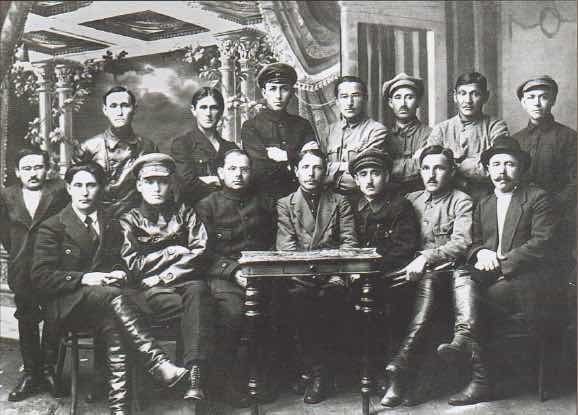 Bashkir government 1920
The republic declared its sovereignty within the Soviet Union on 11 October 1990 as Bashkir Soviet Socialist Republic, and in 1992 it declared full independence. Two years later, Bashkortostan agreed to remain within the legislative framework of the Russian Federation, provided that mutual areas of competence were agreed upon.
Ufa (Russian: Уфа́ ) is the capital city of the Republic of Bashkortostan, Russia, and the industrial, economic, scientific and cultural center of the republic. It is the eleventh most populous city in Russia.
The major religions in the city are Sunni Islam and Russian Orthodoxy.
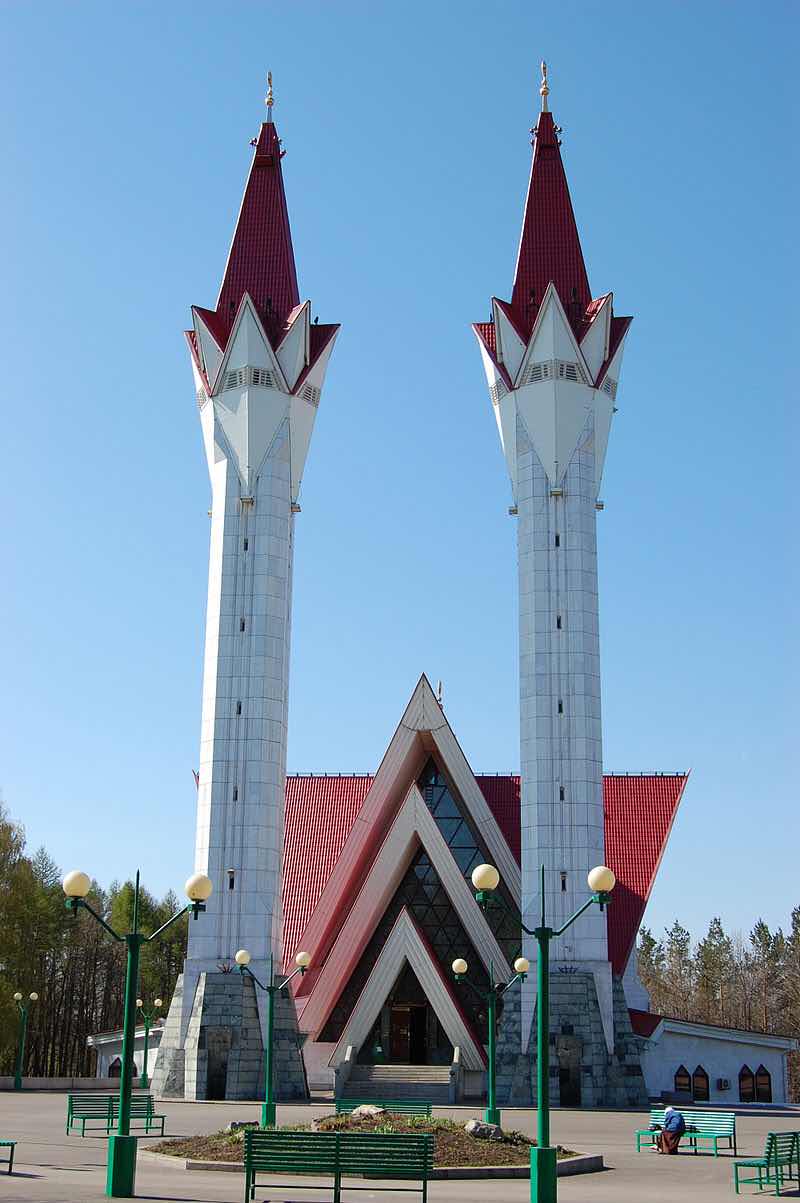 Lala Tulpan ("Tulip in Bloom") in Ufa is one of Russia's largest mosques with 53-metre-tall twin minarets. The building can hold up to 1000 worshippers. It was built between 1990 and 1998 to a modernist design by Wakil Davlyatshin.
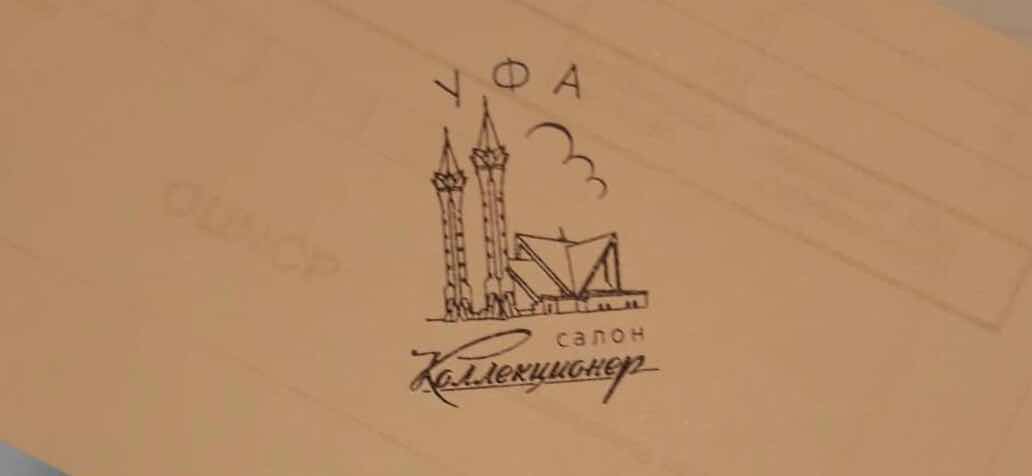 The postmark on the envelope showing the mosque
The other stamp on the cover :
 250th anniversary of State Hermitage Museum , St. Petersburg, Russia
Date of issue : 20 June 2014
The State Hermitage Museum is a museum of art and culture in Saint Petersburg, Russia. The second-largest art museum in the world, it was founded in 1764 when Empress Catherine the Great acquired an impressive collection of paintings from the Berlin merchant Johann Ernst Gotzkowsky. The museum celebrates the anniversary of its founding each year on 7 December, Saint Catherine's Day. It has been open to the public since 1852. The collections occupy a large complex of six historic buildings along Palace Embankment, including the Winter Palace, a former residence of Russian emperors. Apart from them, the Menshikov Palace, Museum of Porcelain, Storage Facility at Staraya Derevnya, and the eastern wing of the General Staff Building are also part of the museum. The museum has several exhibition centers abroad. The Hermitage is a federal state property.
Thanks Valentina for this beautiful envelope with the stamps and postmarks showing the beauty and history of your great city !