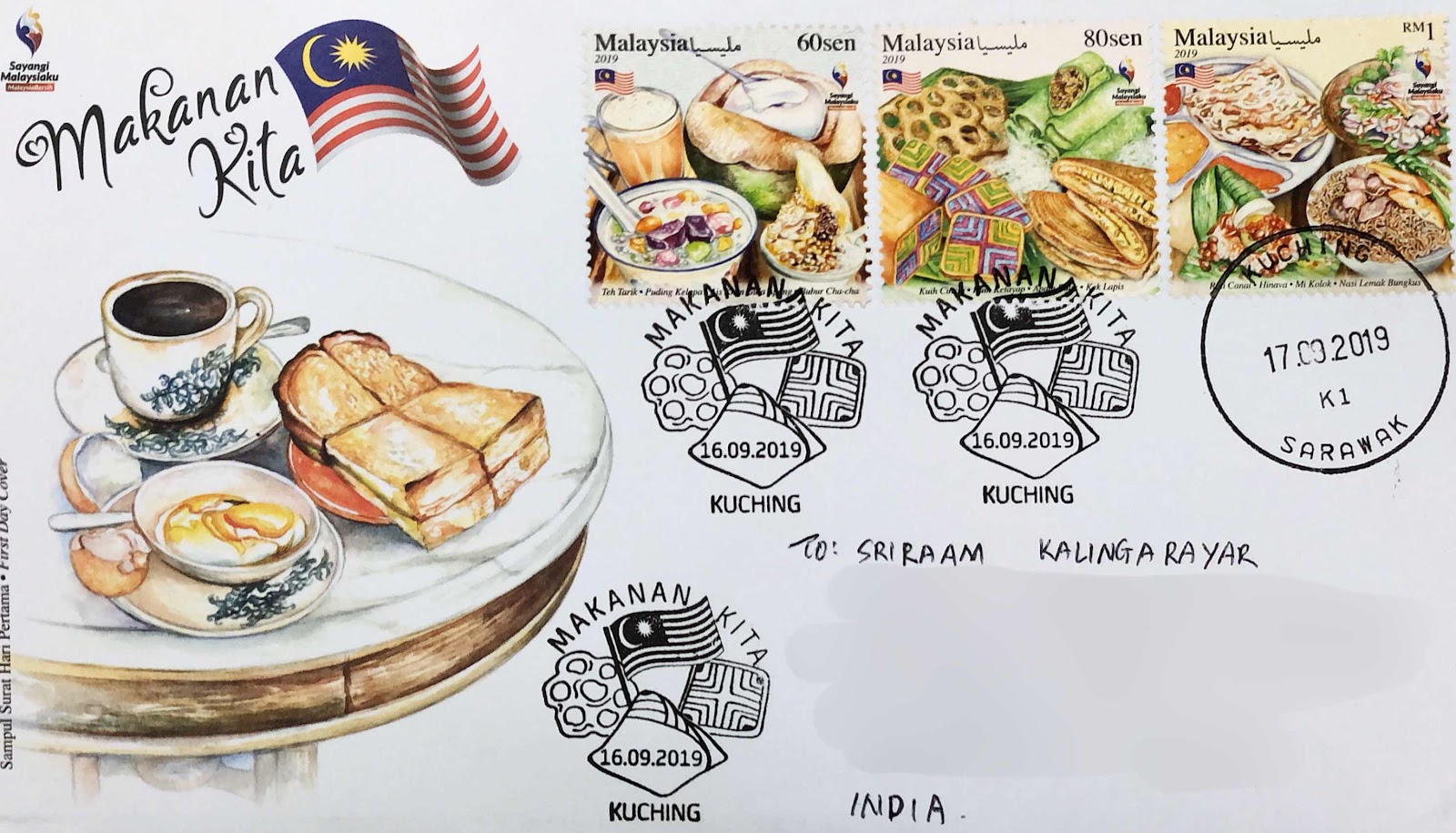
An FDC from Malaysia 🇲🇾 island state - Saravak

Makanan Kita - Our Food
Date of issue : 16-09-2019
Date of sale : 17-09-2019
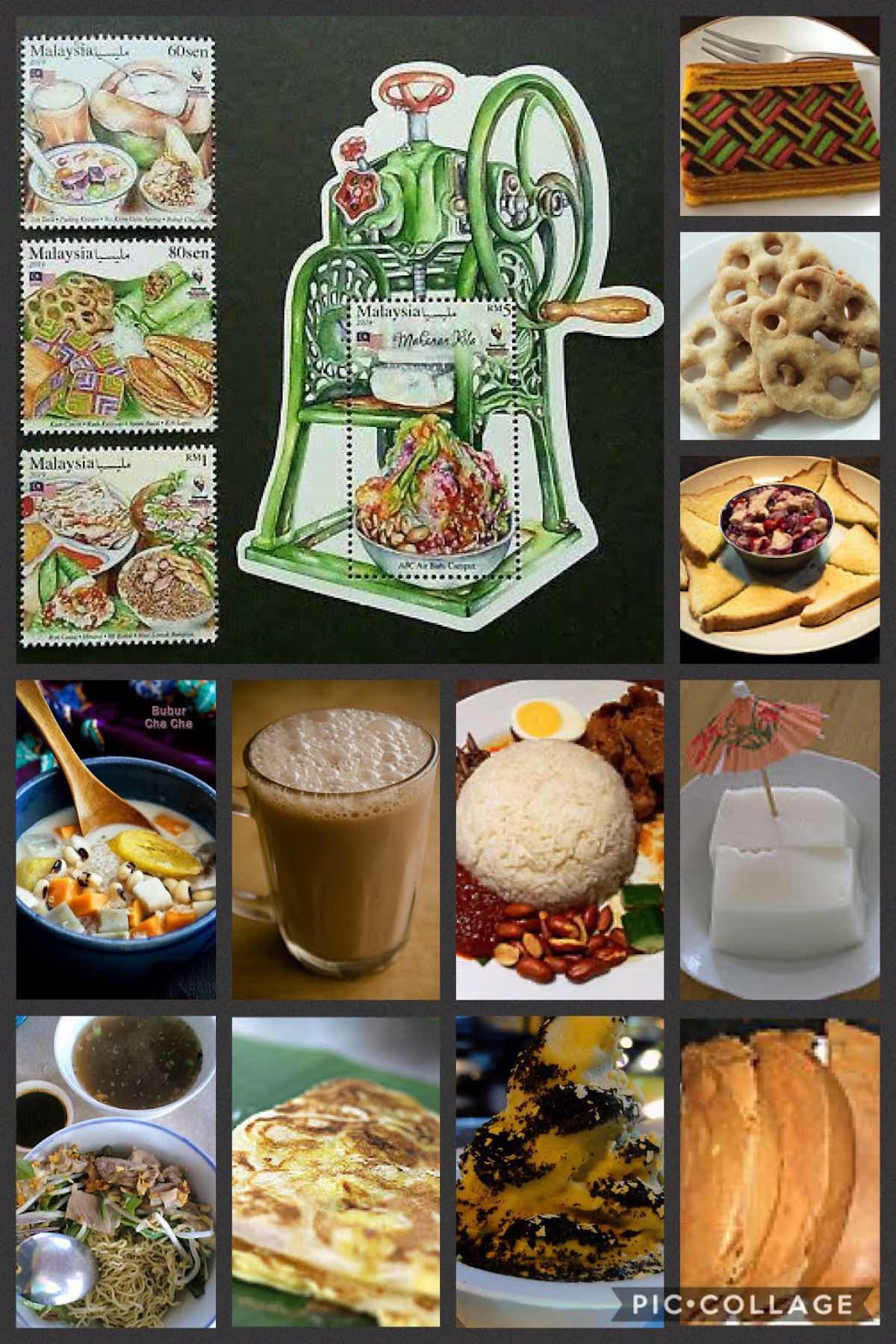
The stamps feature an array of local food delights from across the country, apam balik, nasi lemak, roti canai, mi kolok, hinava, teh tarik, bubur cha-cha, kuih cincin, kuih ketayap, kek lapis, puding kelapa, ais krim gula apong and others.
The odd shaped miniature sheet in this series features the nation’s favourite - ABC - air batu campur
Apam balik- ( turnover pancake ) is a dessert that is very common in southeast provinces of China , Taiwan and in the roadside stalls of Brunei, Indonesia and Malaysia.
The pancake's
batter is made from a mixture of flour, eggs, sugar, baking soda,
coconut milkand water. The batter is cooked upon a thick round iron frying pan in plenty of palm
margarine to avoid it sticking to the pan. Then other ingredients are sprinkled as filling; the most common or traditional is crushed peanut granules with sugar and sweetcorn kernels (available from cans), but modern innovations such as chocolate sprinkles and cheddar cheese are also available. Then, the pancake is folded (hence the name: "turnover pancake") and cut into several pieces.
The pancake was an innovation by the General Tso army when they invaded this part of the country
Nasi lemak is a Malay fragrant
rice dish cooked in coconut milk and pandan leaf. It is commonly found in Malaysia, where it is considered the national dish

The name is derived from the cooking process whereby rice is soaked in coconut cream and then the mixture steamed. The rice is normally cooked with pandan leaves that gives it a distinctive flavour. Traditionally, nasi lemak is served with a hot spicy sauce (sambal), and usually includes various garnishes, including fresh cucumber slices, small fried anchovies (ikan bilis), roasted peanuts, and hard-boiled or fried egg.
Roti canai, is an Indian-influenced flatbread dish found in several countries in Southeast Asia.
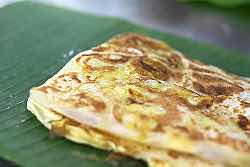
Roti canai is made from dough which is usually composed of fat (usually ghee), flour and water; some recipes also include sweetened condensed milk. The dough is repeatedly kneaded, flattened, oiled, and folded before proofing, creating layers. The dough ball is then flattened, spread out until paper thin (usually by "tossing" it on a flat surface), and gathered into a long rope-like mass. This "rope" is then wound into a knot or spiral and flattened, so that it consists of thin flakes of dough when cooked.
Kolo mee or
mee kolo is a type of Sarawakian noodle dish, characteristically light and tossed in a transparent sauce.
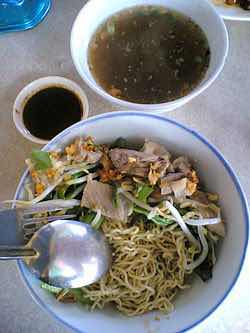
Kolo mee is a Sarawakian Chinese favourite, and is served any time of the day for breakfast, lunch, and supper.
Hinava is a traditional native dish of the Kadazan-Dusun people in the
state of Sabah. It is made from fish and mixed with lime juice, bird's eye chili, sliced shallots and grated ginger.
Teh tarik (literally "pulled tea") is a popular hot
milk tea beverage most commonly found in restaurants, outdoor stalls and kopitiams within the Southeast Asian countries of Malaysia and Singapore. Its name is derived from the pouring process of "pulling" the drink during preparation. It is made from a strong brew of
black tea blended with condensed milk. It is the national drink of Malaysia.
Bubur cha cha, also spelled as bubur cha-cha, is a Malay dessert and breakfast dish in Malaysian cuisine and Singapore using pearled sago, sweet potatoes, yams, bananas, black-eyed peas, coconut milk, pandan leaves, sugar and salt. Grated coconut, coconut cream and water can be used as additional ingredients.
The ingredients are cooked in coconut milk, and the dish can be served hot or cold. Bubur cha cha is also sold as a street food in some areas of the Malaysian state of Penang.
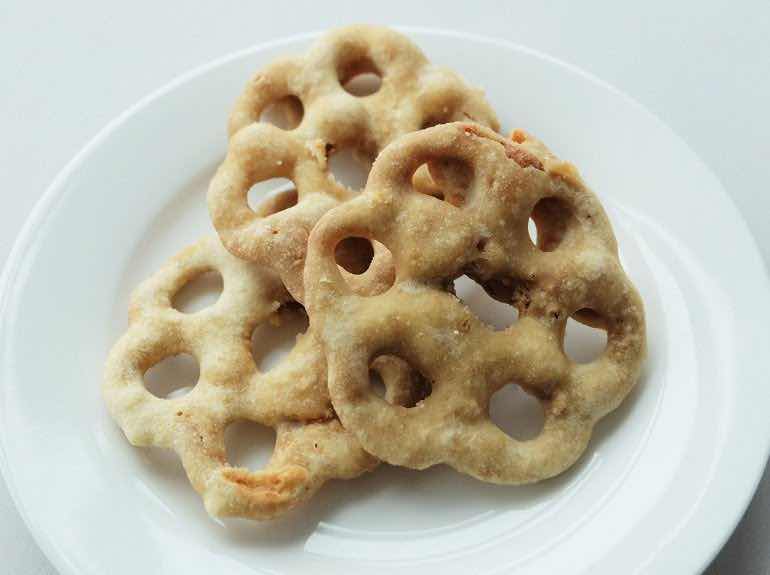
Cincin (which literally translates to 'ring cakes' in
English) is a traditional kuih for the Bruneian Malay people in the states of Sabah, Malaysia as well in
Brunei.
It is made from Red palm , sugar , rice flour and cooked in oil
The
Sarawak layer cake, known as
kek lapis Sarawak (meaning "Sarawak layer cake") or
kek lapis moden Sarawak in Malay, is a layered cake served in Sarawak,
Malaysia on special occasions. They are often baked for religious or cultural celebrations such as Eid ul-Fitr, Christmas, Deepavali, birthdays and weddings. People in Malaysia practice an open house on festival day. A unique feature of Sarawak's open houses is the modern layered
cakes.
In Malaysia, kek lapis Sarawak (Sarawak layer cake) has been a protected geographical indication since 2010.
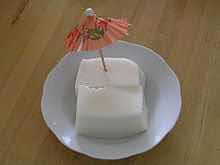
Puding Kelapa/
Coconut bar is a refrigerated dim sum dessert found in Hong Kong,
Taiwan, Southern China and in overseas Chinatowns.
It is sweet and has a soft, gelatin-like texture but is white in color rather than translucent like gelatin. It is sometimes referred to as coconut pudding
Aiskrim Gula-apong - If Melaka is famous for its gula Melaka, Sarawak is known for its gula apong. The difference between the two is that gula Melaka is made out of coconut, while gula apong is made out of nipah palm, or apong as it is known is Sarawak, which is abundant in the state.

Ais krim gula apong- is a vanilla ice cream topped with palm sugar syrup and crushed peanuts.
Malaysia - truly Asia - a fusion of all Asian cuisines !